

Deep Plane Facelift in Plano, TX
Most patients describe what they want in similar terms: not to look like someone else, and not simply to look younger, but to look more like themselves. The work that creates that kind of result happens largely beneath the skin, where much of facial aging begins.
Dr. Derek Sheen approaches facial rejuvenation surgery by working directly in that deeper layer. The aim is not to pull the surface tighter, but to reposition what has moved into a more rested position and allow the skin to settle naturally over the new framework. The result is intended to look composed, balanced, and natural in motion.
His preferred technique is the extended preservation deep plane facelift, a contemporary refinement of the operation. The skin envelope is handled conservatively to preserve circulation and reduce tissue disruption, while the fixed retaining ligaments beneath the surface are released comprehensively. This allows the deeper facial tissues to be repositioned without remaining tethered to the same points they had been descending around.
The change should be meaningful, not overdone. The face should retain natural movement, recovery should feel steady and well planned, and the improvement should hold well over time.
Continue reading to learn more about the deep plane technique or schedule a consultation. Dr. Sheen sees patients in Plano, Dallas, and across the DFW metroplex.
Quick Links
Photo Gallery
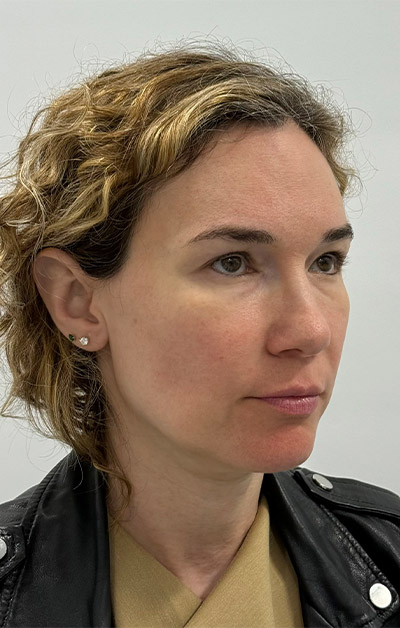
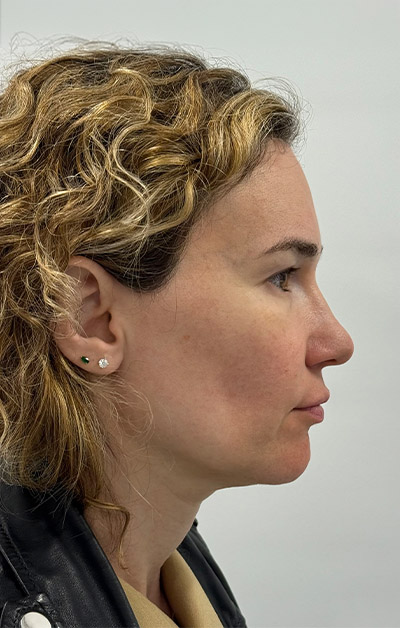
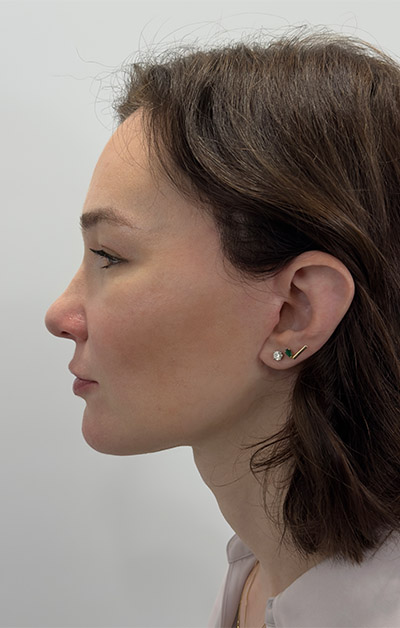
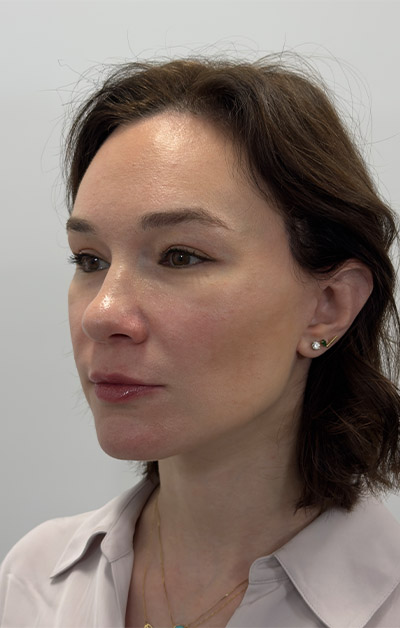
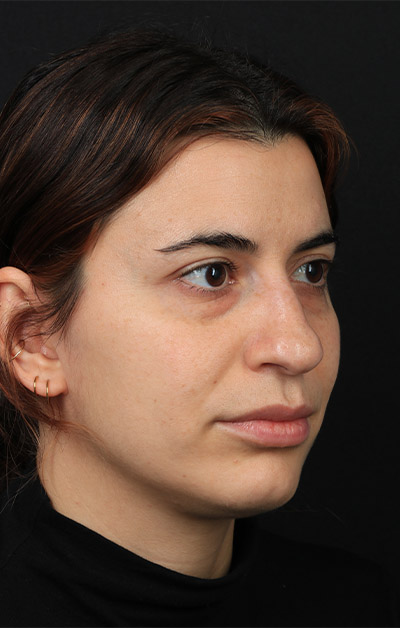
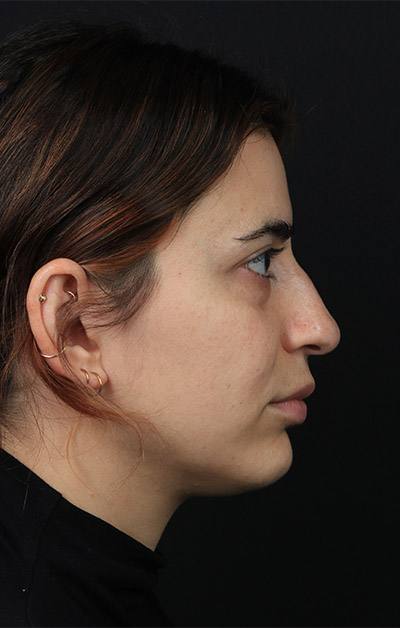
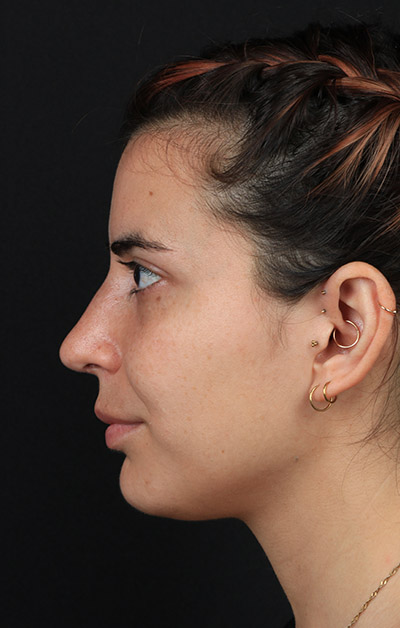
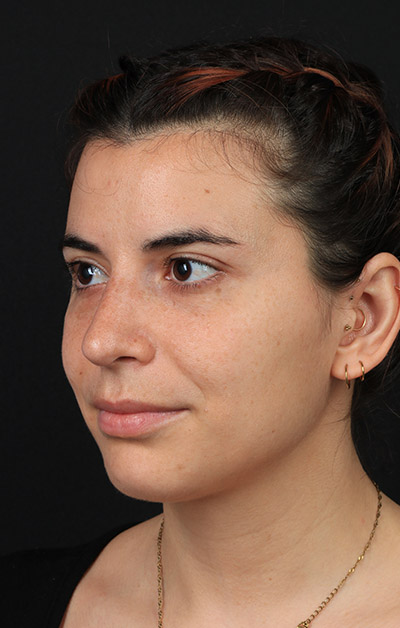
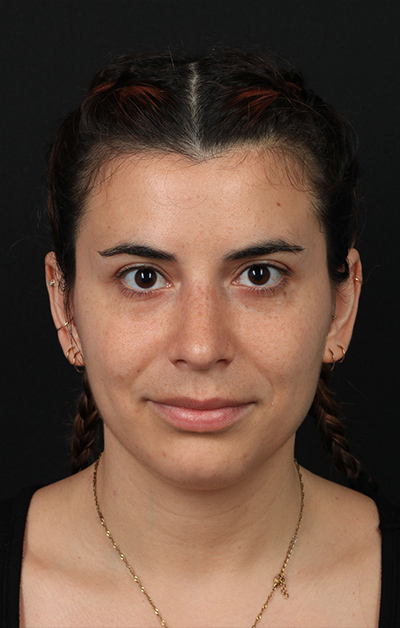
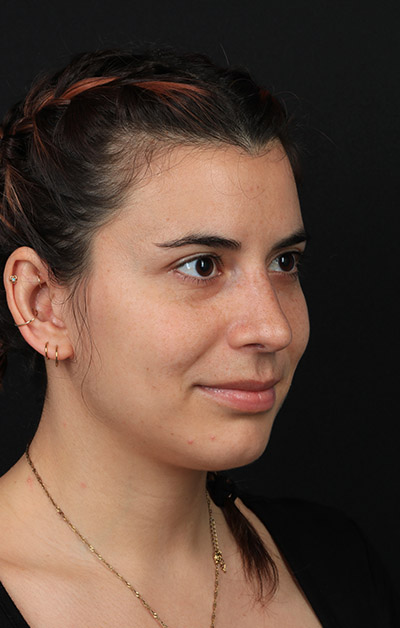
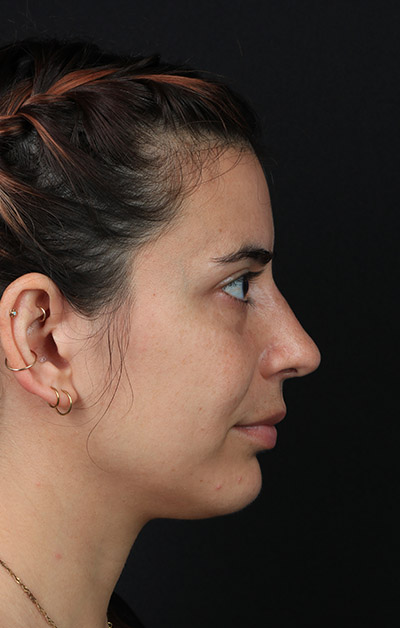
What Is a Deep Plane Facelift Surgery?
Many of the first signs of facial aging do not begin in the skin. They begin beneath it.
Over time, the deeper soft tissue of the face descends while the retaining ligaments remain fixed. Folds form where the descended soft tissue meets these fixed points. The cheek pad slips. Heaviness collects through the lower face. The nasolabial fold deepens where the descended cheek meets the more fixed region beside the nose. Jowls form along the jawline where the skin and soft tissue remain tethered while the surrounding tissue sags. The neck drops and softens.
The skin shows much of the change, but the deeper support layer is where much of the visible descent begins.
A deep plane facelift works in the layer where much of that descent originates. The fixed retaining ligaments are released, the deeper facial tissues are repositioned into a more rested position, and the skin redrapes naturally over the new framework. Nothing is overcorrected.
This is different from earlier traditional facelift techniques in important ways. Skin-only facelifts address the surface without changing the deeper facial structure. SMAS (superficial musculoaponeurotic system) techniques vary widely, ranging from simple plication to extended composite approaches that include significant release. Facelift approaches that tighten or reposition the SMAS without addressing the underlying fixed retaining ligaments leave the repositioned layer partially tethered. The longevity of facial rejuvenation results depends in part on how completely those tethers are addressed.
A deep plane facelift surgery releases the fixed retaining ligaments. Deeper tissues can then be repositioned along the vector best suited to the patient’s facial anatomy and surgical plan, into a new resting position that is less prone to early recoil. This facelift technique tends to produce a result that looks natural in motion and holds well over time.
The Extended Preservation Deep Plane Facelift Approach in Plano, TX
Dr. Sheen performs a contemporary version of the deep plane technique built on two principles applied together: preservation and extension.
Preservation refers to how the skin envelope is handled. The skin lift is kept deliberately conservative while the deeper retaining ligaments are still released comprehensively. The surface attachments that connect the skin to the deeper layer are preserved to support circulation and more predictable healing. By limiting unnecessary separation beneath the skin, this approach can reduce dead space, limit fluid collection, and allow many patients to recover without surgical drains. Because the natural attachments between the skin and the deeper layer are maintained, the contour through the neck and lower face can heal more smoothly.
For patients who want the technical detail
Specific anatomical zones are intentionally left intact, including the area lateral to the cheekbone, where the skin attaches to the deeper layer through small fibrous septa, and a small island of skin in the upper neck, over the cervical retaining ligaments. These preserved zones maintain the natural attachments between skin and deeper structures.
The skin retains more of its blood supply, which has been associated in published surgeon experience with lower observed rates of hematoma and of long-term skin changes, such as the small visible vessels (telangiectasias), that can develop when the skin has been more aggressively dissected.
Extension refers to what occurs beneath the surface. While the surface work is restrained, the deep plane dissection is taken further, with particular attention to releasing the midface and cheek ligaments more completely. This medial extension is a particular emphasis of the technique.
This matters because the cheek connects to both the regions above and below it. When the cheek is repositioned more completely, the nasolabial fold tends to soften because the tissue that had descended into the folds is restored to a higher position. The jawline tends to become more defined because the cheek tissue that contributed to jowling is no longer sitting on the jaw. The extended dissection addresses these connections more thoroughly.
There is one further technical advantage to releasing the retaining ligaments comprehensively. Without that release, repositioned tissue can remain anchored at the same fixed points it had been descending around, which may contribute to early recoil over time. Releasing these tethers allows the tissue to be repositioned along the vector best suited to the patient’s anatomy and surgical plan. This approach supports natural movement and a more durable improvement.
The principle is straightforward: less disruption at the surface, deeper and more complete work below. The result is a face that appears composed rather than stretched, defined rather than pulled, and naturally aligned with its own underlying framework.
The Whole Face Approach: Comprehensive Facial Rejuvenation Techniques
A deep plane facelift addresses the lower two-thirds of the face. The upper third and the skin surface require their own evaluation and, when appropriate, their own treatments.
In consultation, Dr. Sheen evaluates full facial anatomy, including brow position, eyelid heaviness, lower eyelid fullness, hollows beneath the eyes, midface descent, nasolabial folds around the mouth, jawline definition, chin projection, neck contour, and the overall texture and tone of the skin. The face is a connected system, and a result that improves one area while overlooking another can appear incomplete.
For some patients, the most balanced plan may include a deep plane facelift approach with brow correction or selective fat grafting to restore lost volume. These additions are recommended only when they contribute to a more harmonious result. They are not offered as upgrades for their own sake.
The aim is not to treat features in isolation. It is to restore proportion across the whole face, so the result looks balanced rather than worked on.
How Does Dr. Sheen Approach a Facial Plastic Surgery Consultation?
A successful facelift result begins long before the operating room.
Patients considering a deep plane facelift often arrive with some apprehension. That is understandable. Much of the anxiety before facelift surgery comes from the unknown, and much of that can be replaced with clarity. Dr. Sheen’s consultations are designed to create that clarity.
His deep plane facelift consultations are organized around three concerns: perspective, expectations, and trust.
Perspective.
Expectations.
The conversation covers what can be changed, what cannot, and what recovery actually looks like. Dr. Sheen would rather a patient decide not to proceed than feel surprised in the second week of recovery. Patients who understand what to expect tend to heal more comfortably and remember the experience differently.
Trust.
There is no pressure to proceed. The patients who are right for this surgical procedure tend to recognize that themselves. A good consultation simply helps make that recognition possible. Everything that follows, including recovery, depends on the trust built during the consultation itself.
What to Expect at Your Facial Plastic Surgery Consultation
The conversation focuses on the patient’s goals, facial structure, medical history, and whether a deep plane facelift is appropriate. Sometimes the answer is yes. Sometimes the plan is more complete with a brow lift, fat grafting, or another complementary cosmetic procedure. Sometimes, a facelift surgery is not yet the right step, and a more appropriate path is discussed.
Patients leave with a clear understanding of what is being recommended, why it is being recommended, what recovery would look like in their own life, and what the financial commitment would be.
Dr. Sheen’s Training and Experience
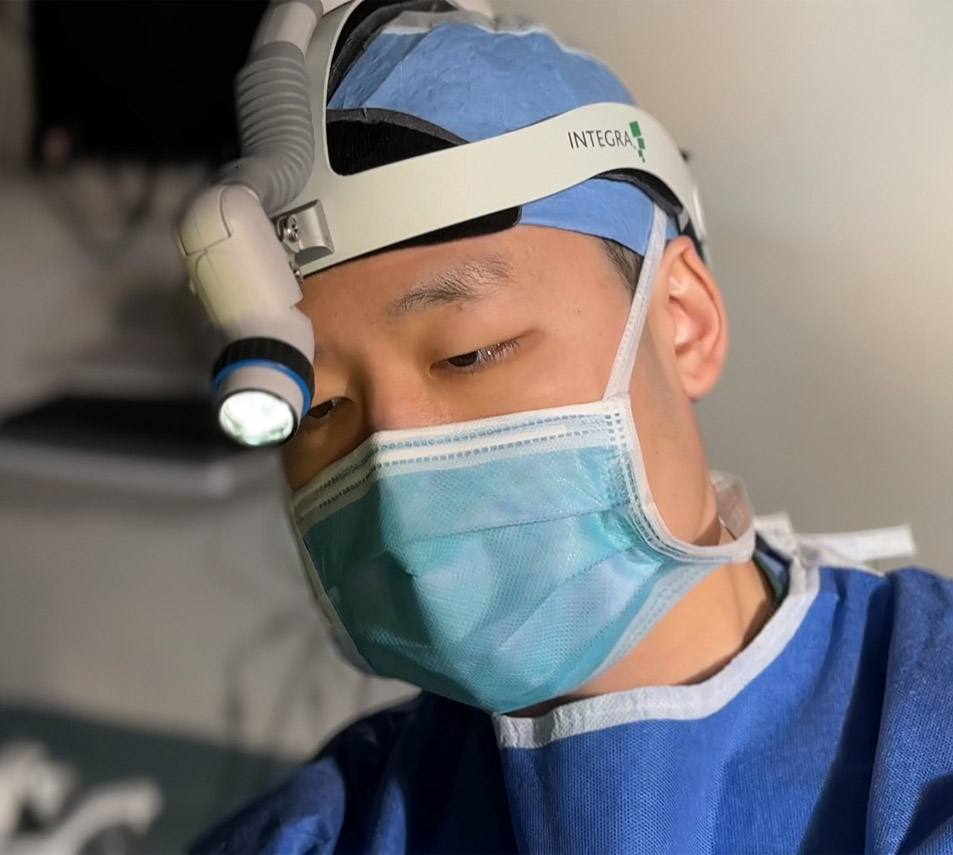
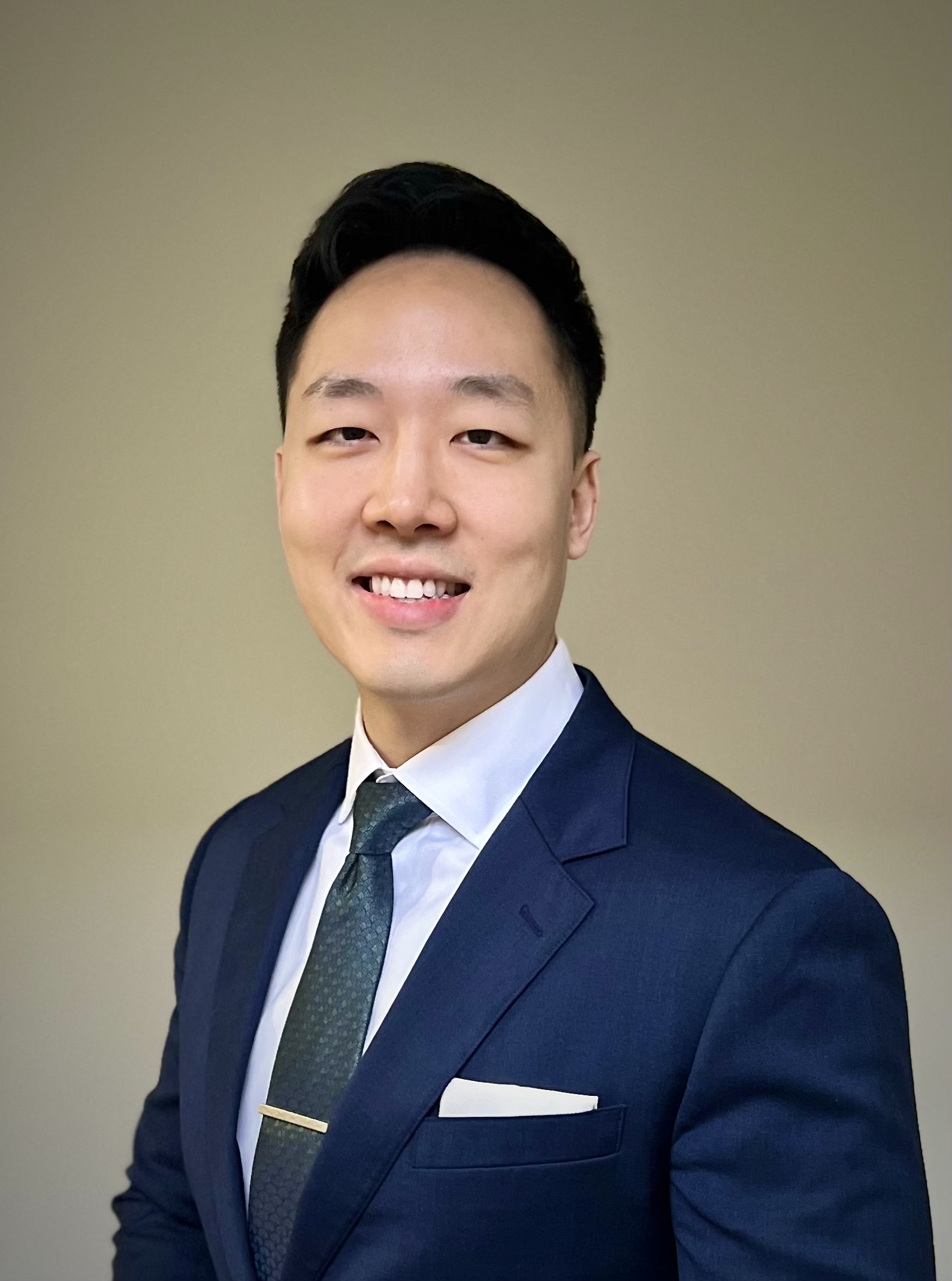
Dr. Sheen’s aesthetic eye for faces began before medical school. At Boston College, he worked as a barber where he learned to study individual features, adapt his work to the person in front of him, and understand the trust involved when someone asks you to change how they look. Those instincts have stayed with him and remain part of how he approaches every consultation.
He completed his residency at UT Southwestern, with surgical training at Parkland Memorial Hospital and the Dallas VA. The work ranged from complex head and neck reconstruction to advanced cosmetic refinement, with extensive exposure to both.
He then completed an advanced facial plastic surgery fellowship at NYU under three internationally recognized facial plastic surgeons: Dr. David Rosenberg, Dr. Matthew White, and Dr. Philip Miller. Each of them brings a distinct technique and aesthetic sensibility to facial surgery, and training closely with all three gave Dr. Sheen exposure to multiple approaches and the opportunity to develop his own.
The deep plane facelift was a major focus of his fellowship year, with substantial operative experience and exposure to a high volume of cases. The fellowship covered primary cases, complex revisions, and comprehensive facial rejuvenation, including brow, eyelid, and fat grafting work alongside the lift. Dr. Sheen also served as a clinical instructor teaching NYU resident physicians in the operating room and contributed to research on the facelift techniques he now offers in Plano.
His current approach reflects the most refined elements of his training, shaped into a contemporary technique guided by a consistent aesthetic standard. The principles remain consistent across patients, while the plan is adapted to each face.
SHEEN
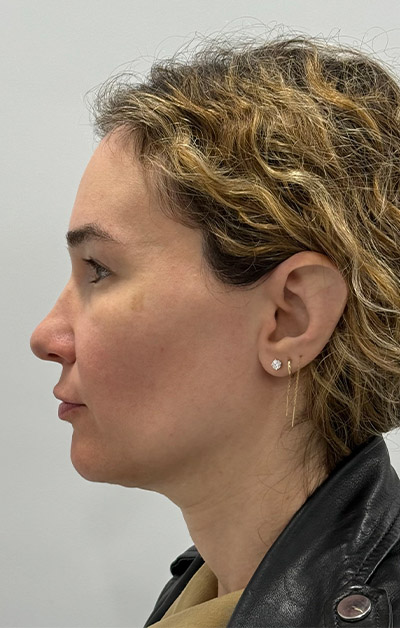
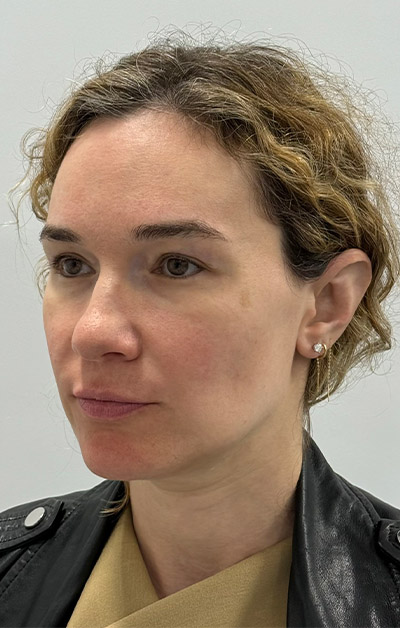
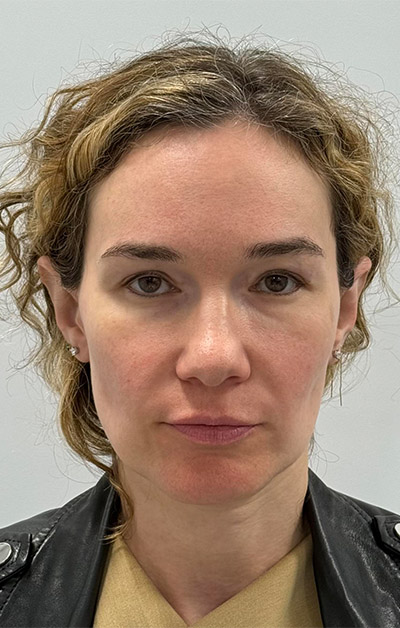
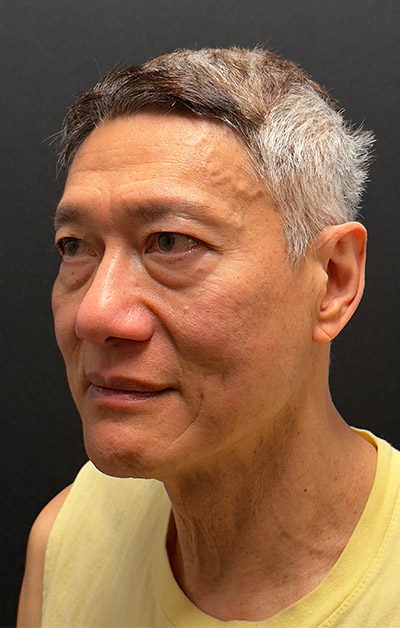
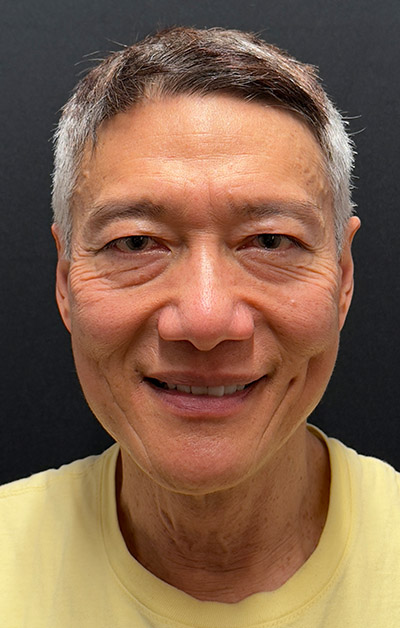
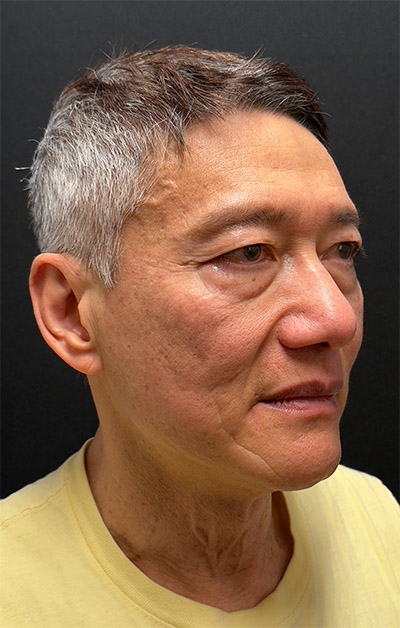
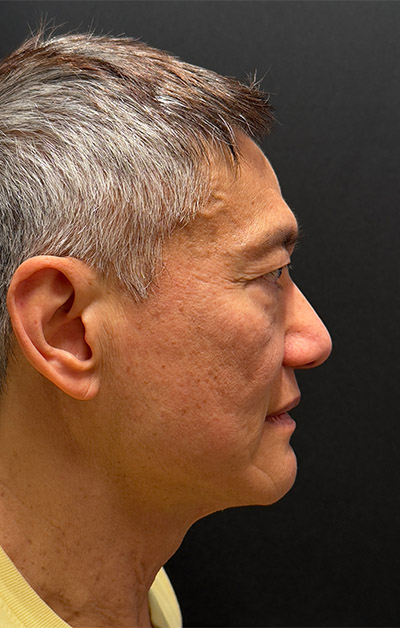
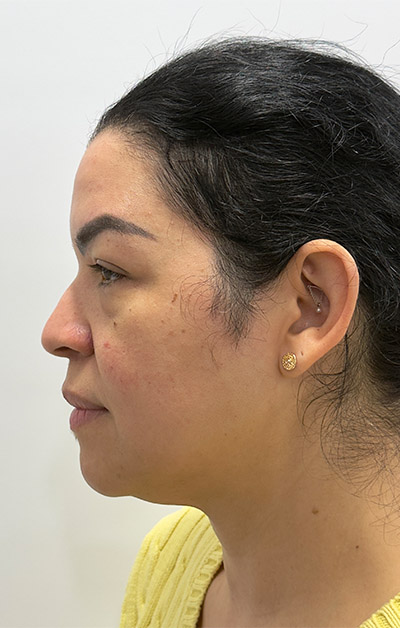
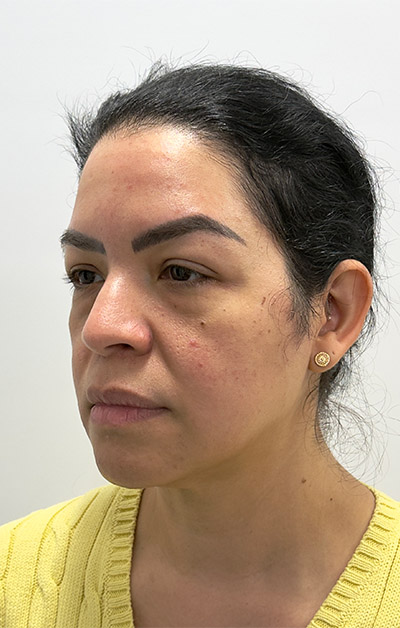
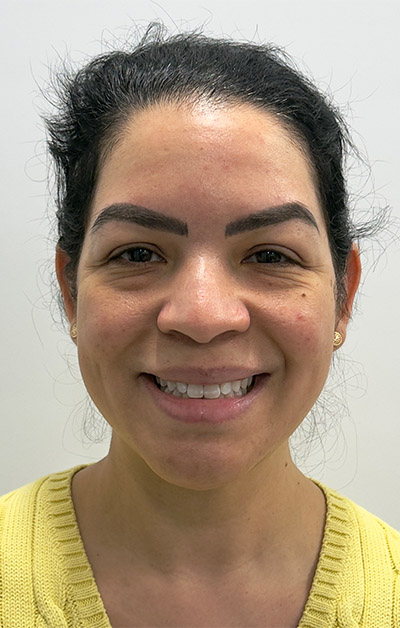
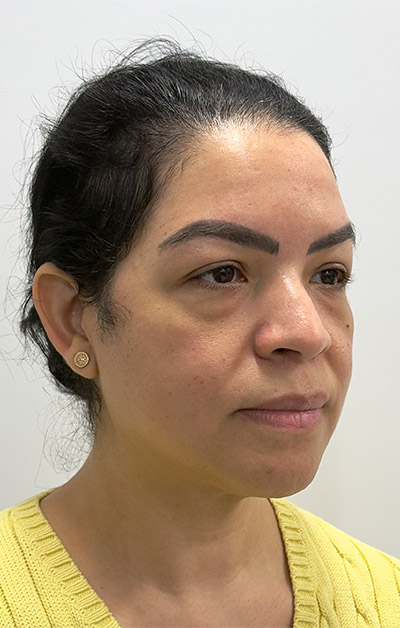
What Does a Good Deep Plane Facelift Result Look Like?
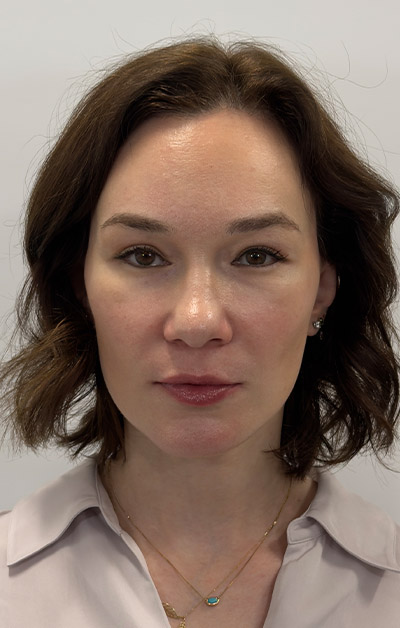
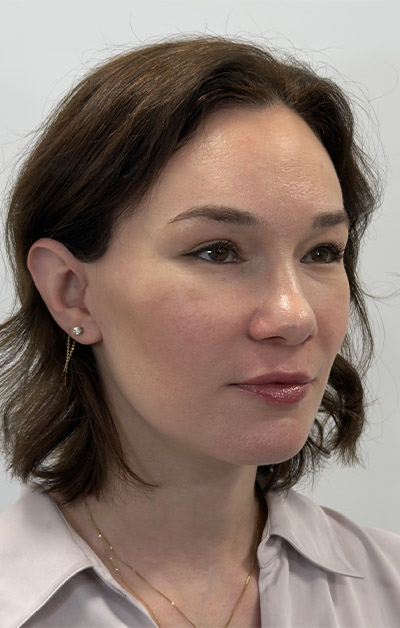
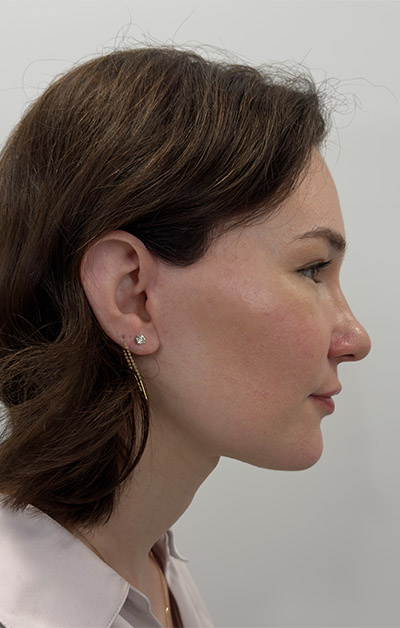
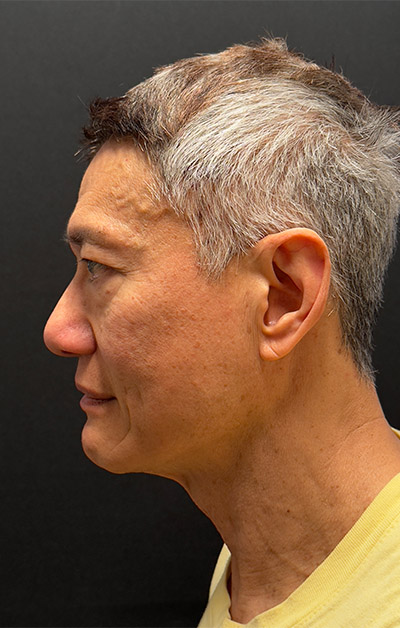
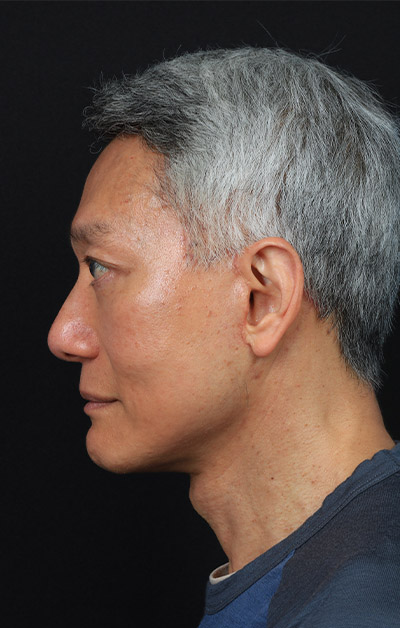
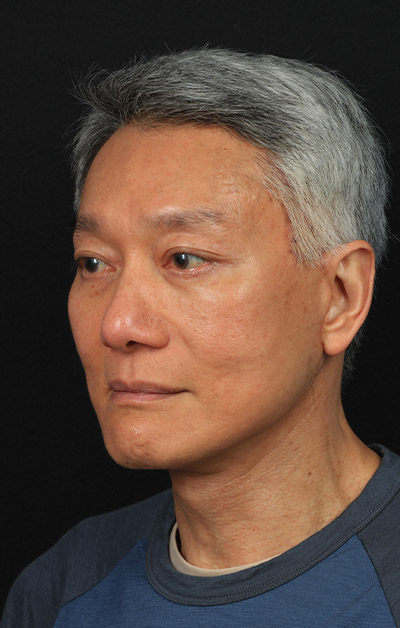
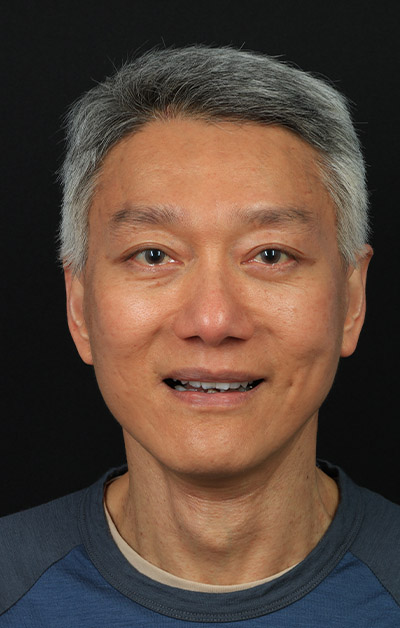
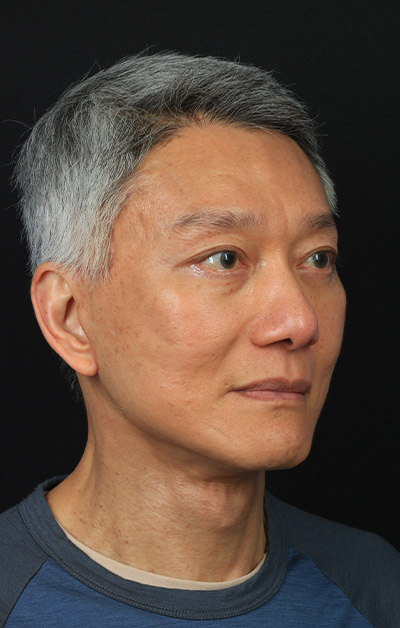
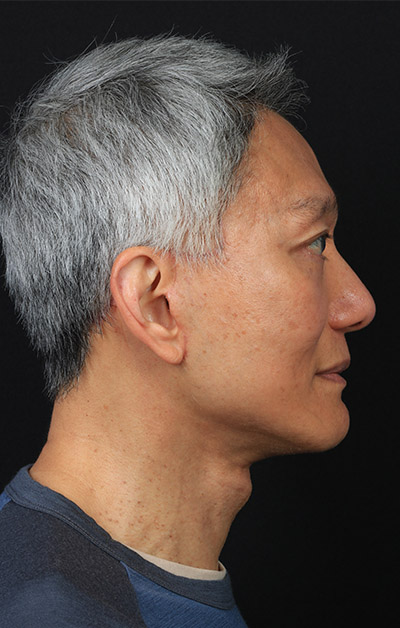
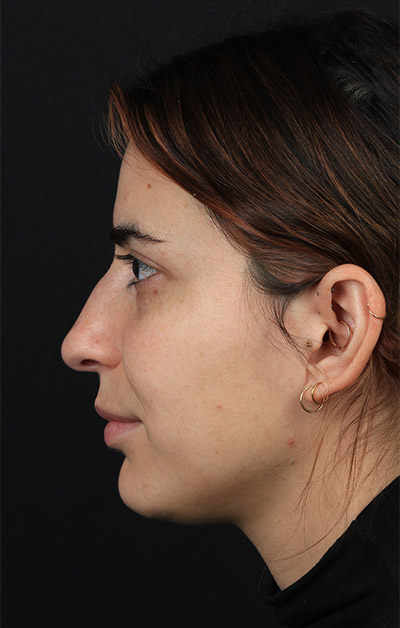
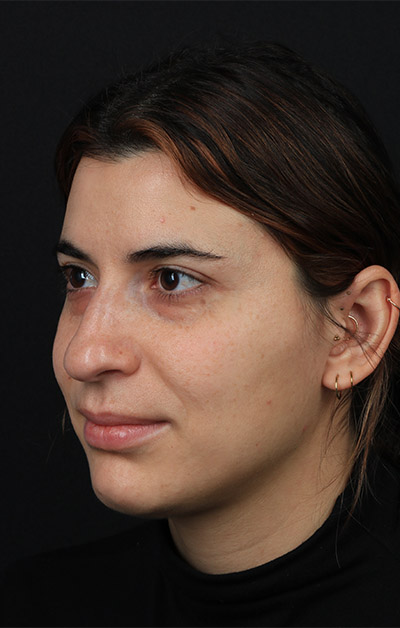
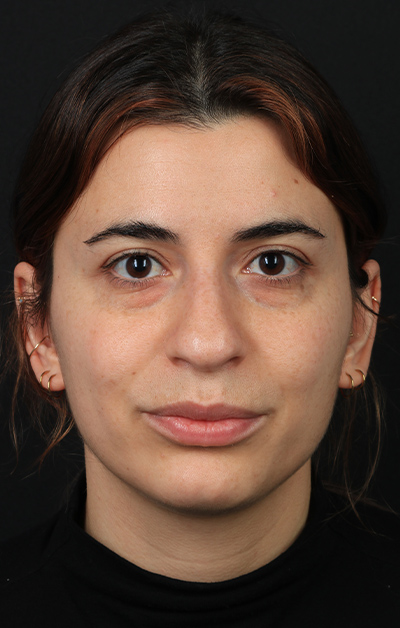
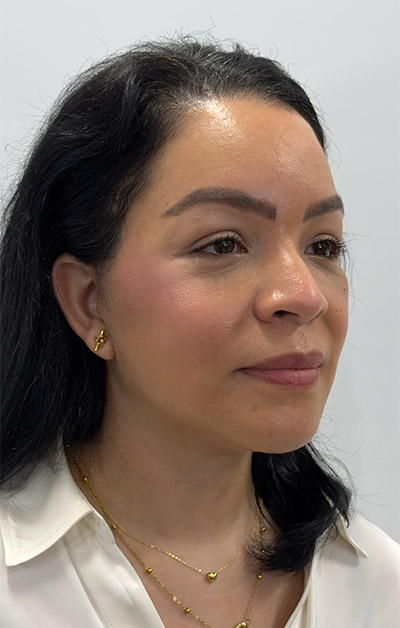
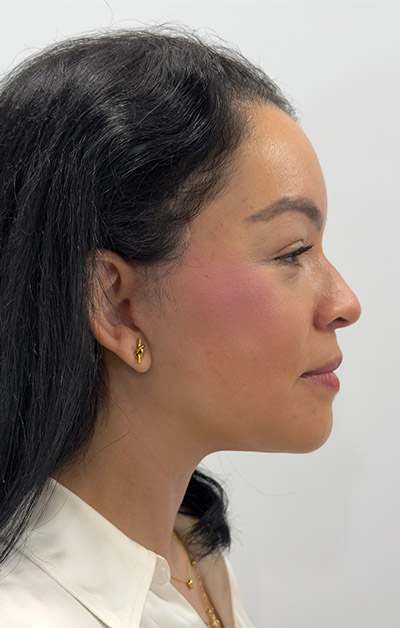
The goal is not a different face. It is a more rested version of the same face.
When this work is done well, friends may notice that a patient looks better without being able to say exactly why. They may assume there has been good rest, weight loss, a vacation, or a change in routine. That is the right kind of reaction. The change should be meaningful, but not obvious as facelift surgery.
The tight or pulled appearance associated with older facelifts often came from relying too heavily on the skin or lifting in a direction that did not match the face. A deep plane facelift is designed to work differently. The lift comes from the deeper framework, repositioned in a vector that fits the patient’s anatomy. The goal is for the face to continue moving and expressing naturally.
A patient should appear more rested, more proportioned, and more like themselves.
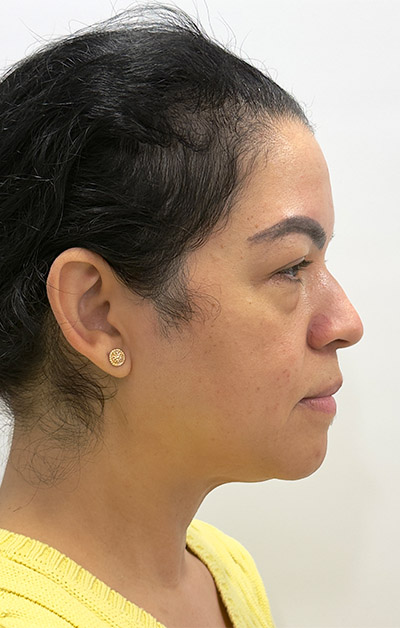
7 Weeks Post-Op
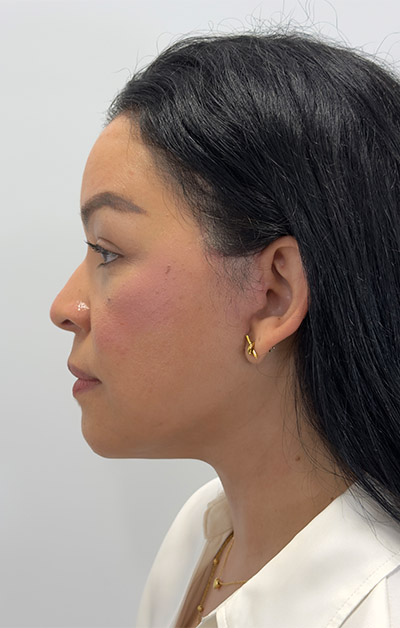
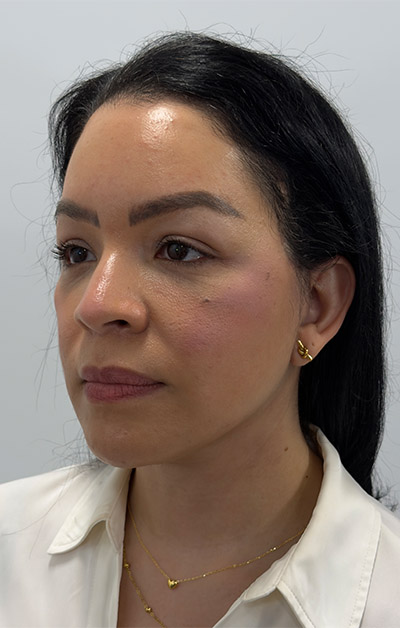
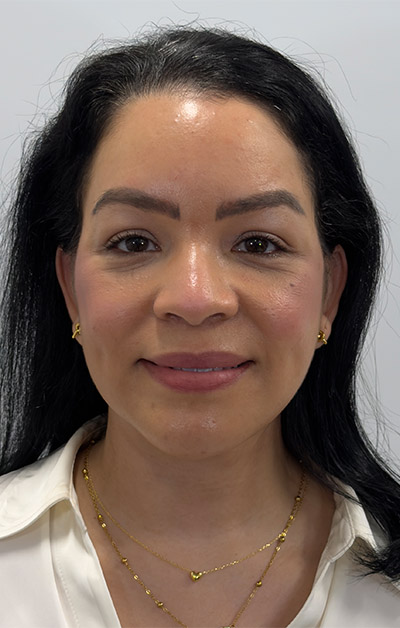
Deep Plane Facelift Recovery
A preservation-based deep plane facelift can offer a steady, well-planned recovery, but it is still surgery, and patients should plan accordingly.
- The first three to four days are usually the most demanding. Tightness, swelling, and bruising tend to peak during this period. Patients should plan to be home, resting, well hydrated, and sleeping with their head elevated.
- By day five, many patients begin to feel meaningfully better. By day seven, many are walking outside, handling light errands, and seeing close friends or family who are aware of their facelift surgery.
- By two to three weeks, most patients are comfortable being seen in normal social settings with hair worn down and light makeup. Some residual swelling remains, but it is usually not obvious to a casual observer.
- By four to six weeks, most patients are comfortable at events. Light exercise such as yoga or walking often resumes around three to four weeks. More strenuous activity, including weight training and high-heart-rate cardio, usually returns around six weeks.
- By three months, most patients look refined enough for major events and photographs. This is the timeframe Dr. Sheen recommends for any major occasion at which a patient wants to look their best.
- Final results continue to refine subtly through six to twelve months as the deeper facial tissues fully settle. Recovery has its own pace, and there is no advantage in rushing it.
Schedule a Facelift Procedure Consultation
Dr. Sheen sees patients from Plano, Dallas, Frisco, the Park Cities, and across North Texas, as well as patients who travel for consultation. Deep plane facelift consultations are personal, thorough, and designed to give each patient the clarity needed to make a confident decision.
To request a consultation, call (972) 316-4555 or submit an inquiry online.
Deep Plane Facelift FAQs
How is a deep plane facelift different from other facelifts?
A deep plane facelift addresses the facial aging process at the deeper layer where much of the descent begins. Some SMAS techniques tighten or reposition the SMAS layer with limited release of the underlying retaining ligaments. A deep plane facelift releases those fixed ligaments more directly, allowing the deeper tissues to be repositioned without remaining tethered to the same points. The result tends to look natural in motion and hold well over time.
What is the extended preservation approach?
The extended preservation deep plane facelift approach combines two principles. Preservation means the skin lift is kept restrained, with specific areas, such as the upper cheek and a small island of neck skin, kept intact to preserve natural attachments between the skin and deeper layer. This facelift approach helps preserve circulation, reduce dead space, and support smoother healing in appropriate patients. Extension means the deeper dissection is carried further medially, especially through the midface, so the cheek, nasolabial fold, and jawline can be addressed more thoroughly.
Will I look like I had facelift surgery?
No. The aim is for others to notice that you look well without being able to identify facelift or neck surgery. The skin is not asked to carry the lift. The face should retain natural movement, and the change should feel meaningful without looking obvious.
How much downtime should I plan for?
Most patients should plan for at least 7 to 10 days away from work entirely following deep plane facelift procedure. However, by day five to seven, many are walking around outside and handling light errands. By two to three weeks, most are comfortable being seen socially with their hair worn down and light makeup. For major events, Dr. Sheen recommends allowing at least three months, with continued subtle refinement afterward.
Is recovery from a deep plane facelift procedure painful?
Most patients describe facelift recovery as tightness or pressure rather than sharp pain. The first three to four days are usually the most pronounced and discomfort is well controlled with medication. Because deep plane facelift surgery is mostly performed under general anesthesia, a mild sore throat or some difficulty swallowing can occur for a few days, and soft foods are often easier during that period.
Are surgical drains required?
Often, no. The preservation approach reduces dead space beneath the skin, which can limit fluid collection and may allow many patients to recover without postoperative drains. Whether drains are used depends on the individual case, including the extent of the surgical procedure and the patient’s bleeding profile.
Why does the midface matter so much?
The midface, especially the cheek and area beside the nose, strongly influences the lower face. This is also an area where volume loss and tissue descent from aging is pronounced. When the cheek descends, it can further deepen the folds around the mouth, add heaviness to the lower face, and weaken the jawline. Dr. Sheen’s extended dissection facelift technique is designed to release and reposition this region more thoroughly.
Is fat grafting necessary with a deep plane facelift?
Sometimes. A facelift repositions the existing tissue, but it does not replace volume that has been lost with age. When there is hollowing in the temples, brows, eyelids, or under eye region, carefully measured fat transfer can create a more complete result. Whether it is appropriate is determined in consultation, based on the individual face.
How long does a deep plane facelift last?
The changes following a deep plane facelift tend to be durable. By releasing the fixed retaining ligaments, the repositioned tissue is less tethered to the points it had been descending around, which may reduce early recoil. Patients continue to age, but from a more favorable starting point. Many patients enjoy meaningful improvement for ten years or more, although timing varies with age, anatomy, skin quality, weight changes, and overall health.
When can I return to normal activities?
Light walking is encouraged from the first day after deep plane facelift surgery. By around day five, many patients feel comfortable taking longer walks outside. Most return to normal daily routines and work within two to three weeks. Light exercise, such as yoga or gentle walking, often resumes around three to four weeks. More strenuous activity, including weight training and high heart rate cardio, usually resumes around six weeks.
Am I a candidate for a deep plane facelift?
You may be a candidate for a deep plane facelift if you are noticing changes through the cheeks, jawline, or neck and want a durable improvement rather than a temporary change. Patients with midface descent, jowling, neck laxity, or deepening folds around the mouth often benefit most. The best way to confirm facelift candidacy is through consultation, where anatomy, goals, and overall health are evaluated together. If Dr. Sheen believes other facelift techniques will produce a better result, he will make that recommendation then.
Where are the incisions placed?
Deep plane facelift incisions are placed in natural concealment lines: along the front of the ear, often inside the tragus, around the earlobe, behind the ear, and into the hairline. A small incision under the chin is often used for direct access to the neck. The pattern is adjusted to each patient’s facial anatomy and hairline, so the healed incisions are as discreet as possible.
What will my scars look like?
When incisions are well placed and carefully closed, facelift scars typically become less noticeable over time. In many patients, they mature into fine lines hidden within the natural folds around the ear. Early visible scarring may look pink or slightly raised, then fade gradually over months. Skin type, sun protection, and individual healing all influence the final appearance. Scar care is reviewed in detail at every postoperative visit.
Is a neck lift included with a deep plane facelift?
In most cases, neck rejuvenation is part of the overall plan. The same operation typically addresses the upper neck, jawline, and area beneath the chin. For patients with significant neck laxity or platysmal banding, additional work, such as platysmaplasty or deep neck contouring, may be added. The facial rejuvenation surgery plan is based on each patient’s anatomy.
What type of anesthesia is used for facelift surgery?
Dr. Sheen most often performs deep plane facelift under general anesthesia or deep sedation. Anesthesia is administered by a qualified provider, either a board certified anesthesiologist or a certified registered nurse anesthetist, depending on the case and facility. The anesthesia plan is reviewed before surgery.
What are the main risks of facelift surgery?
As with any surgery, there are risks associated with deep plane facelift. These include bleeding (hematoma), infection, delayed healing, scarring, asymmetry, temporary or permanent changes in sensation, and, rarely, weakness of a branch of the facial nerve. When facial nerve weakness occurs, it is most often temporary. During consultation, Dr. Sheen reviews the specific risks, expected frequency, and steps taken to reduce them.
What is the difference between a deep plane facelift and a mini facelift?
A mini facelift, or short scar facelift, and a deep plane facelift are general terms that can describe different facial plastic surgery approaches, depending on the facial plastic surgeon and the patient’s anatomy. In broad terms, mini facelift approaches usually involve shorter incisions and a more limited dissection and may be appropriate for patients with earlier or more localized aging changes. A deep plane approach works more comprehensively in the deeper support layer of the face, including release of the retaining ligaments, and is often better suited for patients with more significant midface descent, jowling, or neck laxity. Dr. Sheen performs both types of surgical procedure. The most reliable way to determine which facelift approach is right for a given face is through consultation, where the anatomy and facial rejuvenation goals can be evaluated together.
Which facial rejuvenation procedures can be combined with a deep plane facelift?
An extended deep plane facelift technique addresses the cheeks, jawline, and neck, but the upper face and eyes age independently and are not corrected by traditional facelift alone. Procedures commonly combined in the same operation include upper and lower blepharoplasty (eyelid lift), brow lifting for the forehead and outer brow, and fat transfer or dermal fillers for areas of volume loss.
Dr. Sheen also performs ptotic chin correction (sometimes called a witch’s chin, often most apparent as chin droop during smiling), earlobe reduction, buccal fat reduction to refine the contour of the cheeks and jawline, lip lift or corner lip lift for an elongated and aged upper lip, and chin augmentation for patients with insufficient chin projection. Skin resurfacing with CO2 laser can also be performed at the time of facelift surgery or staged separately, depending on individual patient anatomy and goals.
Combining procedures allows recovery to overlap and can produce a more harmonious result across the entire face. Dr. Sheen will help determine which combinations are appropriate based on each patient’s anatomy, health, and goals.
How is a deep plane facelift performed under general anesthesia different from one done under local anesthesia?
Most surgeons who perform deep plane facelifts prefer general anesthesia or deep sedation because the operation involves an extended dissection at a deeper layer, which takes time and requires the patient to remain completely still. Local anesthesia with light sedation may be appropriate for more limited procedures, but it is generally less suited to the level of work involved in a deep plane or extended deep plane facelift approach.
Dr. Sheen performs deep plane facelift surgery in an accredited surgical facility, with anesthesia delivered by a qualified provider who monitors the patient throughout the operation.
The anesthesia plan is reviewed individually before surgery, with patient comfort and safety as the primary considerations.
Can a deep plane facelift be revised if I have had a previous facelift?
Yes, though revision facelift surgery is more technically demanding than a primary procedure. Prior scarring, altered tissue planes, and changes to the skin’s elasticity all affect what is possible and how the dissection must be approached. In most cases, a deep plane technique is well suited to revision because it works below the layer where previous scarring is most likely to have occurred.
Timing of revision matters; in most cases, waiting at least one year after the primary facelift surgery allows tissues to fully settle before reassessment. When available, Dr. Sheen will review prior operative notes from the previous facelift to inform the surgical plan
A thorough evaluation of the prior surgery, current anatomy, and realistic goals is essential before proceeding.
At what age do most patients consider a deep plane facelift?
Most patients who pursue a deep plane facelift are in their mid-thirties to sixties, though the right time is determined by anatomy rather than a number. Some patients in their early thirties and forties have experienced concerns, such as meaningful midface descent or jowling, deep folds, deep nasolabial folds, sagging cheeks, that warrant earlier intervention, while others in their seventies remain good candidates with appropriate expectations. There is a new category of patients who have experienced significant weight loss which leads to early and accelerated facial and neck soft tissue laxity. What matters most is whether the changes are significant enough that the patient wants durable improvement, whether overall health supports surgery safely, and whether the procedures can help the patient achieve a look that represents the best version of themselves at that time in life.