

Rhinoplasty in Plano, TX
A rhinoplasty should not draw attention to itself. It should bring the face into better balance.
The nose sits at the center of the face and influences how every surrounding feature is perceived. Small changes in size, shape, projection, width, rotation, or contour can alter the overall impression of the eyes, jawline, cheeks, and profile. Rhinoplasty, performed thoughtfully, offers results that feel cohesive with the rest of the face rather than separate from it.
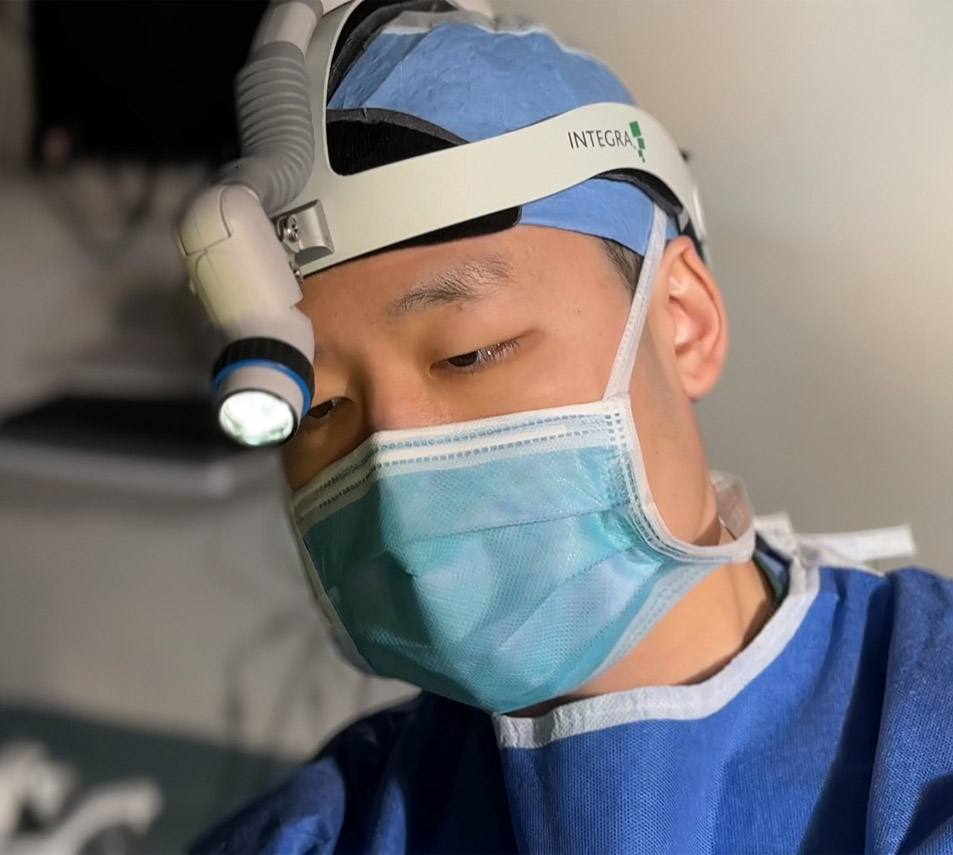
Dr. Derek Sheen approaches rhinoplasty with the understanding that every nose requires a different surgical strategy. Some patients want refinement without losing character. Others are seeking structural correction after injury, breathing issues, or previous surgery. In every case, the goal is to create a nose that looks balanced, natural, functions well, and feels aligned with the patient’s overall facial anatomy.
His approach emphasizes preservation of structure whenever possible, precise shaping rather than aggressive reduction, and long-term stability. The result should look elegant, balanced, and natural in motion and expression, not overly sculpted or disconnected from the rest of the face.
Dr. Sheen performs both open and closed rhinoplasty techniques along with preservation techniques depending on the patient’s anatomy and surgical goals. Functional concerns are evaluated alongside cosmetic changes so the nose not only looks refined but breathes properly.
Continue reading to learn more about rhinoplasty surgery in Plano, TX, or schedule a consultation. Dr. Sheen sees rhinoplasty patients from Plano, Dallas, Frisco, the Park Cities, and across the DFW metroplex.
Quick Links
Photo Gallery
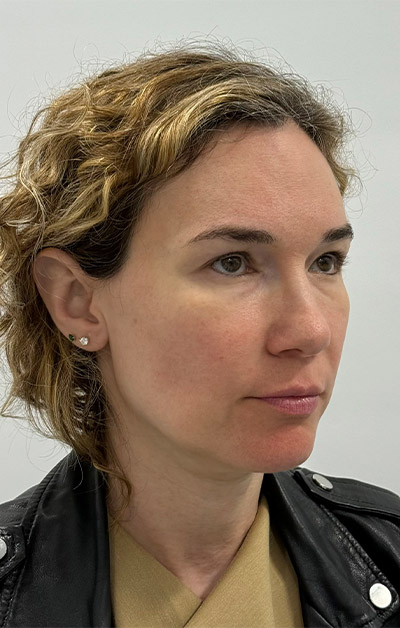
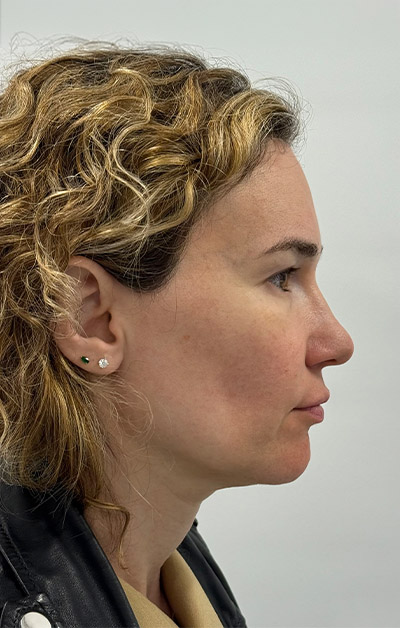
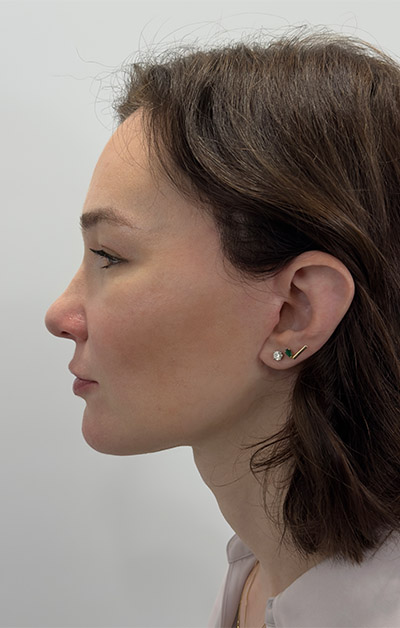
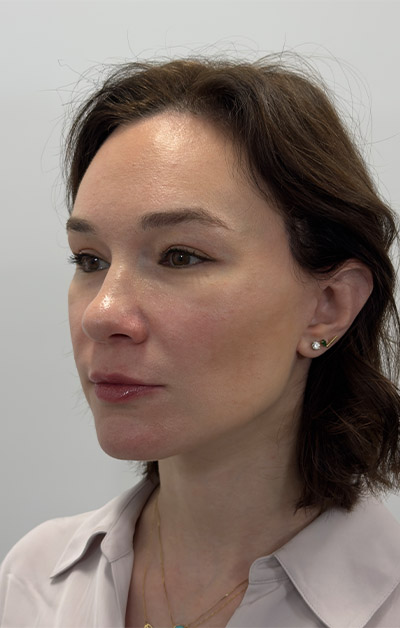
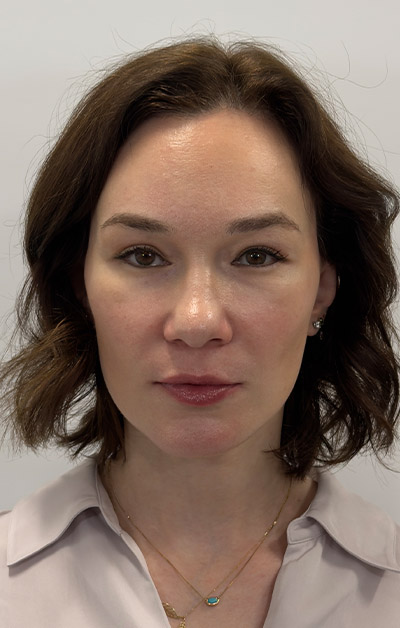
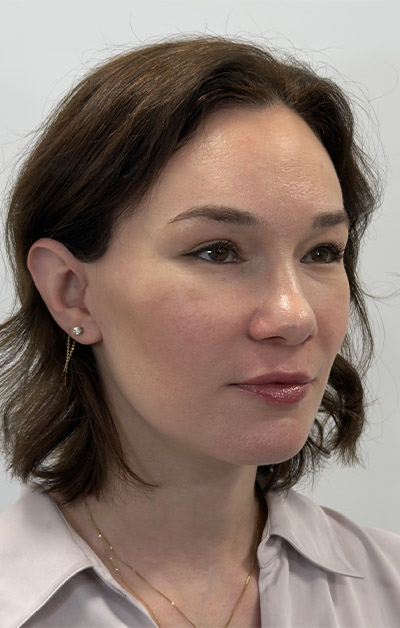
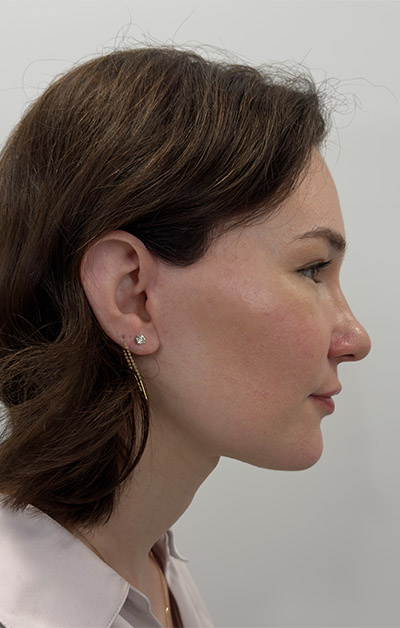
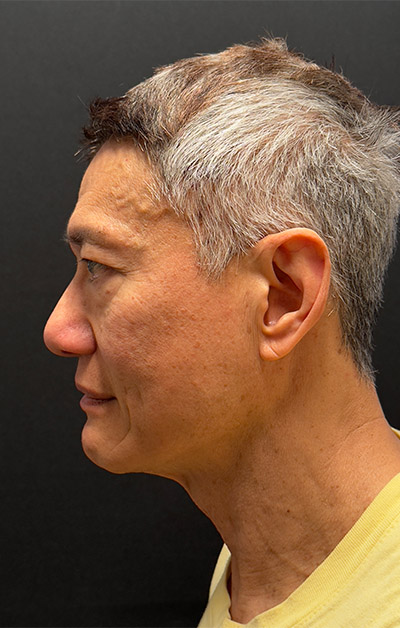
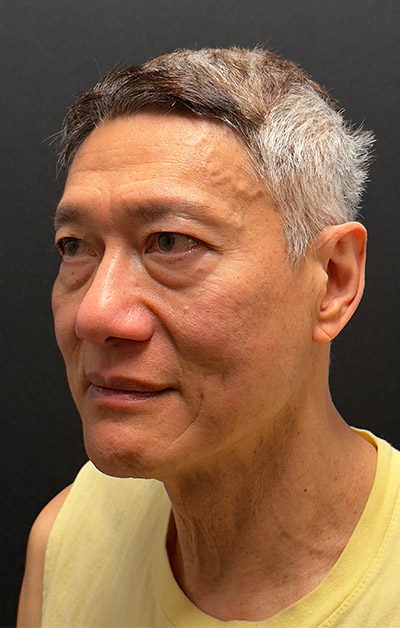
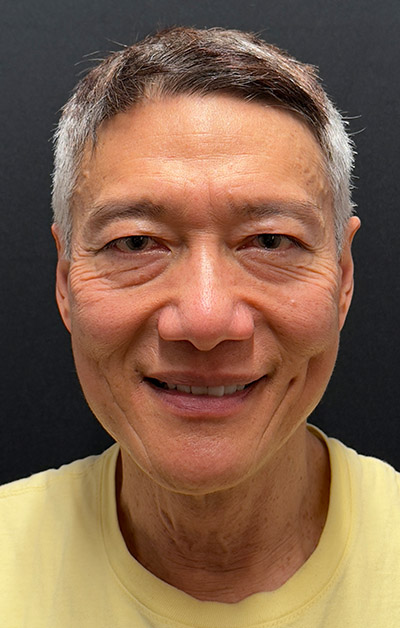
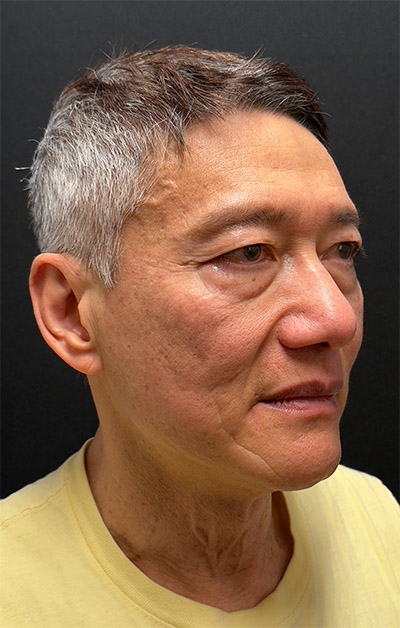
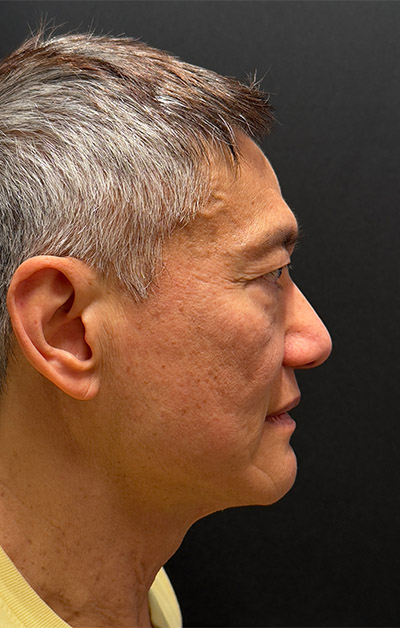
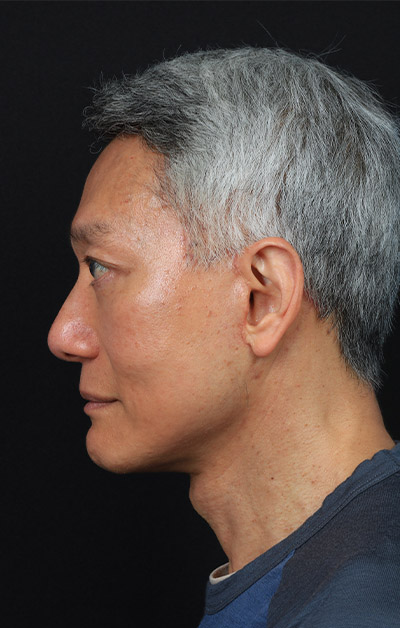
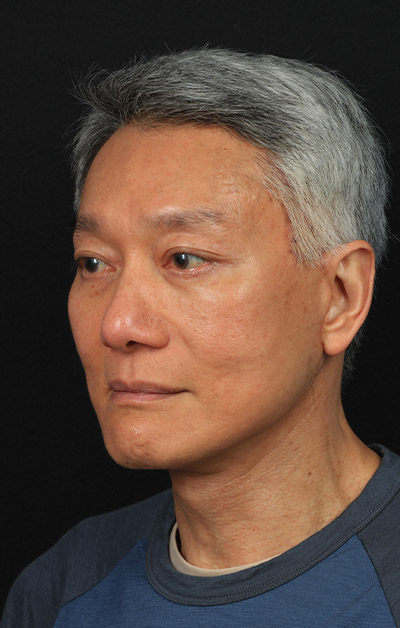
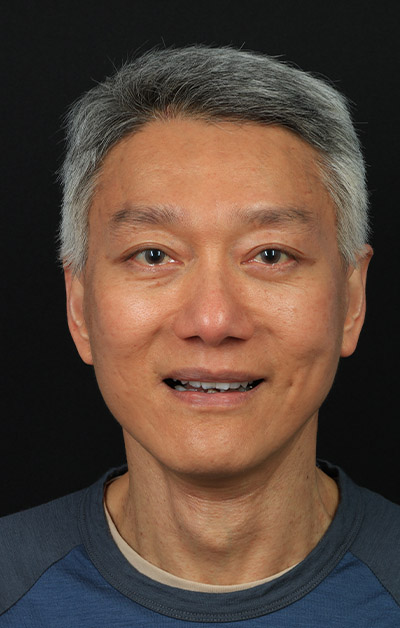
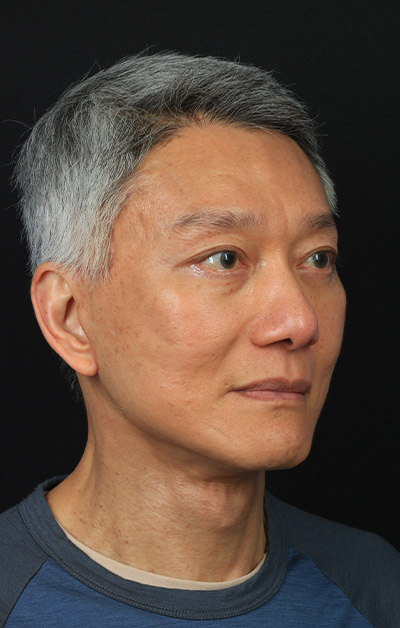
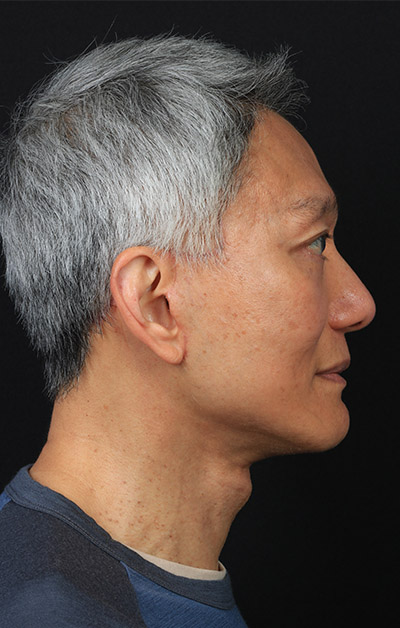
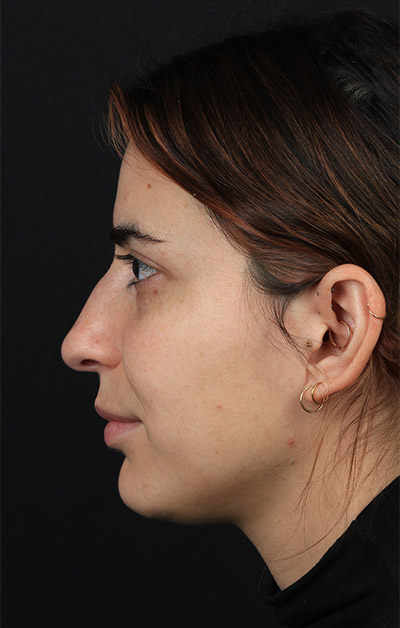
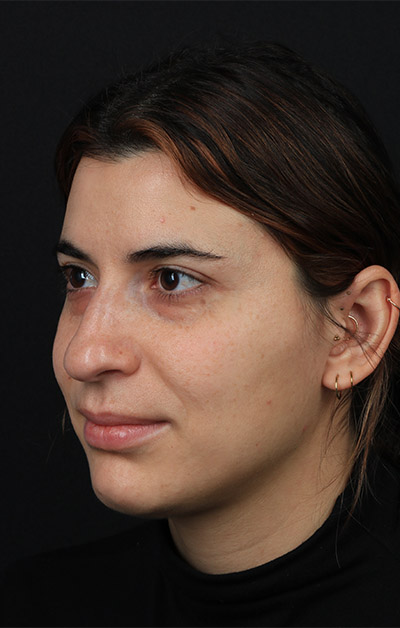
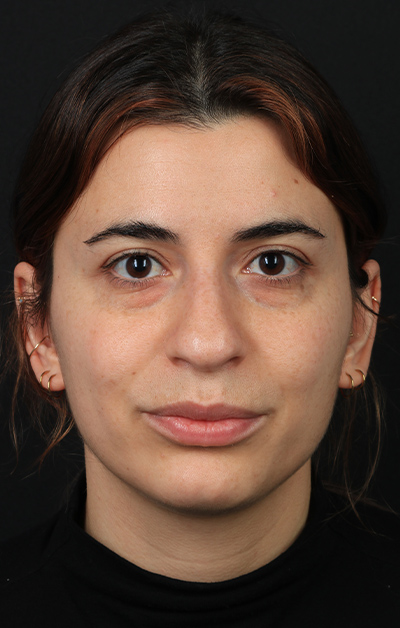
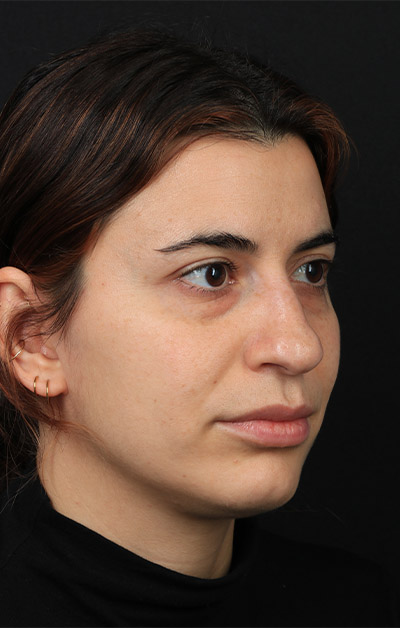
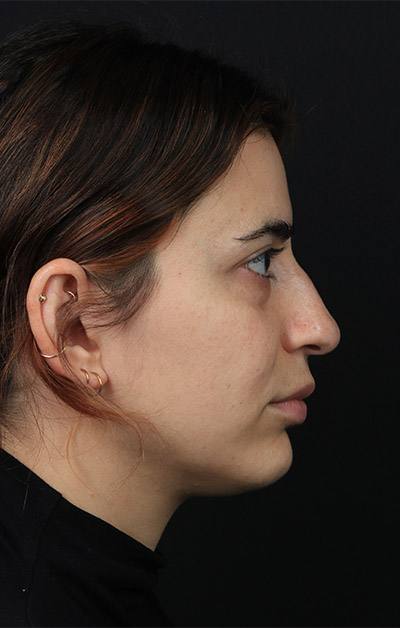
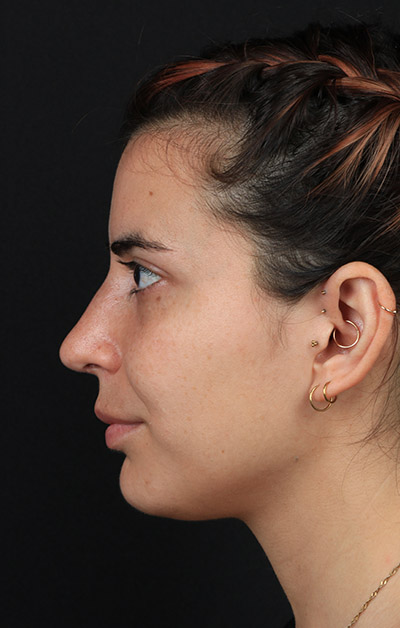
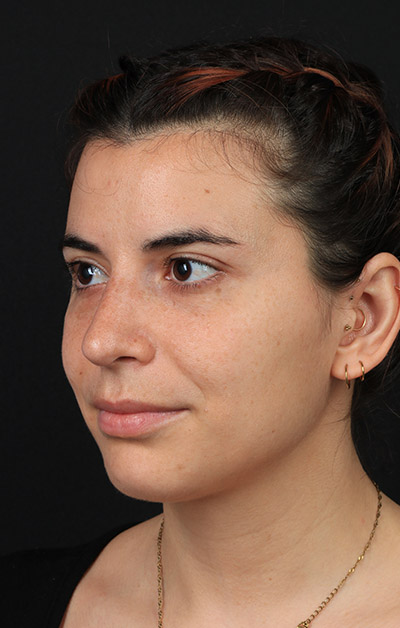
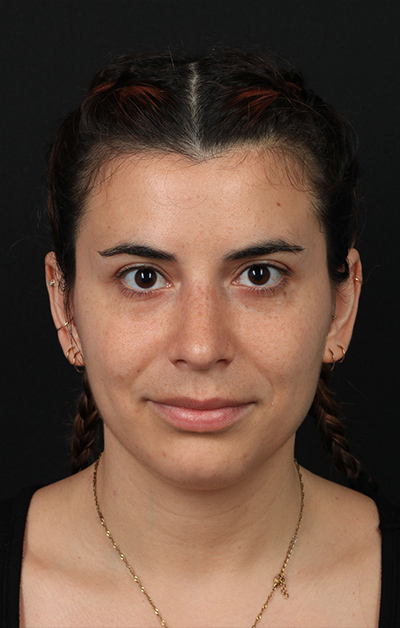
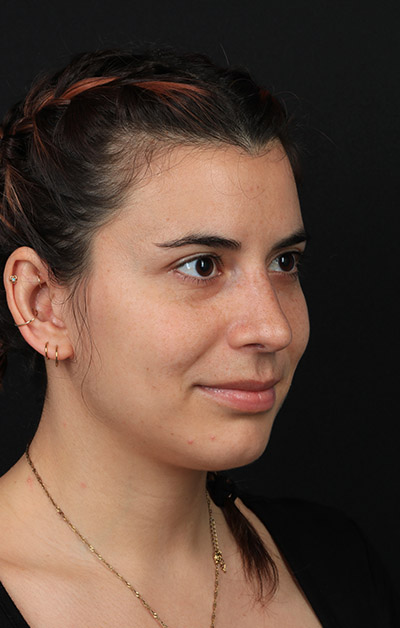
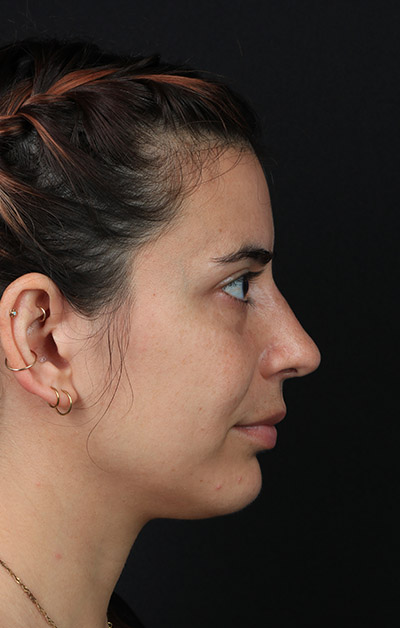
What Is Rhinoplasty?
Rhinoplasty is surgery to reshape the nose, and it is one of the most individualized procedures in facial plastic surgery. No two noses are the same, so no two surgical plans are either.
Patients seek rhinoplasty, also known as nose surgery or a nose job, for many different reasons. Some are bothered by a dorsal hump, tip size, tip shape, asymmetry, or a nose that feels too dominant within the face. Others are equally concerned with breathing issues related to septal deviation, prior injury, or structural valve collapse inside the nose. In many cases, both cosmetic and functional concerns exist together.
While the surface of the nose is what patients see, the underlying structure is what determines how the nose looks and functions. Bone, cartilage, septal support, skin thickness, and ligament attachments all influence the final appearance.
Rhinoplasty works by reshaping these deeper structural elements in a precise and individualized way. Depending on the anatomy and goals of the patient, surgery may involve changing the size of the nose, refining the tip, smoothing the bridge, removing a hump or bump, narrowing the nasal bones, improving symmetry, strengthening support, or correcting airflow obstruction.
This is also what makes rhinoplasty one of the most nuanced procedures in facial plastic surgery. Over-reduction or aggressive reshaping can create an unnatural appearance or compromise breathing function over time. A refined nose surgery result depends on preserving balance, support, and proportion rather than simply making the nose smaller or bigger.
Dr. Sheen approaches rhinoplasty with an emphasis on structural integrity, natural aesthetics, and long-term stability. Open and closed rhinoplasty techniques are both used depending on what is most appropriate for the patient’s anatomy and surgical goals. The objective is to create a nose that feels balanced, elegant, and naturally aligned with the patient’s overall facial features, a nose that blends in so that during conversation, others are drawn to the eyes or lips.
The Whole Face Approach to Rhinoplasty
The nose influences the perception of the entire face. For that reason, rhinoplasty consultation with Dr. Sheen includes a comprehensive evaluation of overall facial balance rather than focusing only on the nose itself. Chin projection, jawline structure, cheek position, brow position and brow shape, skin quality, and facial proportions all influence how rhinoplasty results are perceived.
A patient with a weaker chin may appear to have a larger nose even when the nose itself is not objectively prominent. A patient who can benefit from a brow lift may have tissue that crowds the nose, making it appear wider and flatter. In some patients, small adjustments to chin projection through chin augmentation can improve profile balance significantly. In others, the nose is truly dominant and should be addressed directly. The relationship matters.
This broader approach is part of Dr. Sheen’s overall philosophy of facial harmony rather than just nasal analysis. The face functions as a connected structure, and the most refined surgical outcomes typically come from evaluating how each feature relates to the others.
Complementary procedures are only recommended when they contribute meaningfully to the final result. They are not offered as unnecessary additions.
Open vs. Closed Rhinoplasty
Both open and closed rhinoplasty techniques can produce excellent results when appropriately selected.
An open rhinoplasty uses a small external incision beneath the nose to allow more direct visualization of the underlying anatomy. This approach is often preferred for more complex reshaping, revision surgery (secondary rhinoplasty), asymmetry correction, or significant tip work.
A closed rhinoplasty places all incisions inside the nose. In appropriate candidates, this can reduce swelling and allow for a somewhat faster recovery while still achieving substantial refinement. Both techniques incorporate preservation rhinoplasty techniques when possible to speed up recovery and decrease the chance of warping or collapsing over time.
Dr. Sheen performs both approaches and selects the technique based on what will provide the best surgical outcomes for the individual patient rather than applying a single method universally.
The decision depends on anatomy, goals, structural requirements, and the degree of correction needed.
Functional Rhinoplasty and Breathing Concerns
A successful rhinoplasty procedure requires that the nose functions as well as it looks. Breathing difficulties are frequently caused by a deviated septum, nasal valve collapse, previous trauma, or underlying structural weakness. Cosmetic changes that fail to address these functional issues can sometimes worsen airflow rather than improve it.
Dr. Sheen evaluates nasal function carefully during consultation. Internal support structures are preserved or reinforced when necessary to maintain long-term breathing stability.
Functional correction may involve septoplasty, spreader grafts, other cartilage support techniques, or correction of both external and internal nasal valve narrowing. These structural changes are incorporated into the overall rhinoplasty plan when indicated.
The objective is not only aesthetic refinement, but a nose that remains stable, balanced, and functional over time.
How Does Dr. Sheen Approach a Rhinoplasty Consultation?
Patients considering rhinoplasty procedures often arrive with a very specific concern about their nose, but the consultation process is designed to look deeper than a single feature. Because the nose sits at the center of the face, even small changes can influence overall facial balance significantly. Dr. Sheen approaches rhinoplasty consultation with careful attention to facial harmony, structural anatomy, breathing function, and long-term stability.
His rhinoplasty consultations are centered around three principles: perspective, expectations, and trust.
Perspective.
A consultation begins by understanding what the patient sees when they look at their nose and how that concern relates to the overall face. Facial features are evaluated together rather than in isolation. The discussion often includes bridge contour, tip shape, projection, symmetry, chin position, and profile balance, as well as breathing concerns or prior injury. Once these relationships are understood clearly, the surgical plan becomes much more individualized and precise.
Expectations.
Rhinoplasty is one of the most nuanced procedures in facial plastic surgery, and recovery evolves gradually over time. Dr. Sheen is direct about what surgery can realistically accomplish, what limitations may exist, and what healing actually looks like week to week and month to month. Morphing software, before and after photographs, and mirror evaluation may all be used to help patients understand the proposed changes clearly before aesthetic surgery.
Trust.
The decision to undergo surgery should never be rushed. The consultation is intended to determine whether the patient’s goals and Dr. Sheen’s surgical philosophy are aligned. A strong rhinoplasty result depends heavily on communication, honesty, and trust from the beginning of the process through recovery itself.
What to Expect at Your Rhinoplasty Consultation
The consultation focuses on the patient’s goals, nasal anatomy, breathing function, medical and surgical history, and whether rhinoplasty is the appropriate surgical procedure.
Some patients benefit from relatively conservative refinement, while others may require more structural reshaping or functional correction. In certain cases, complementary surgical procedures such as chin augmentation or brow lift may also be discussed to improve overall facial balance. Sometimes surgery is not the right step, and a different approach is recommended instead.
Patients leave with a clear understanding of what is being recommended, why it is being recommended, what recovery would realistically involve, and what kind of result can reasonably be expected based on their anatomy and goals.
Dr. Sheen’s Training and Experience
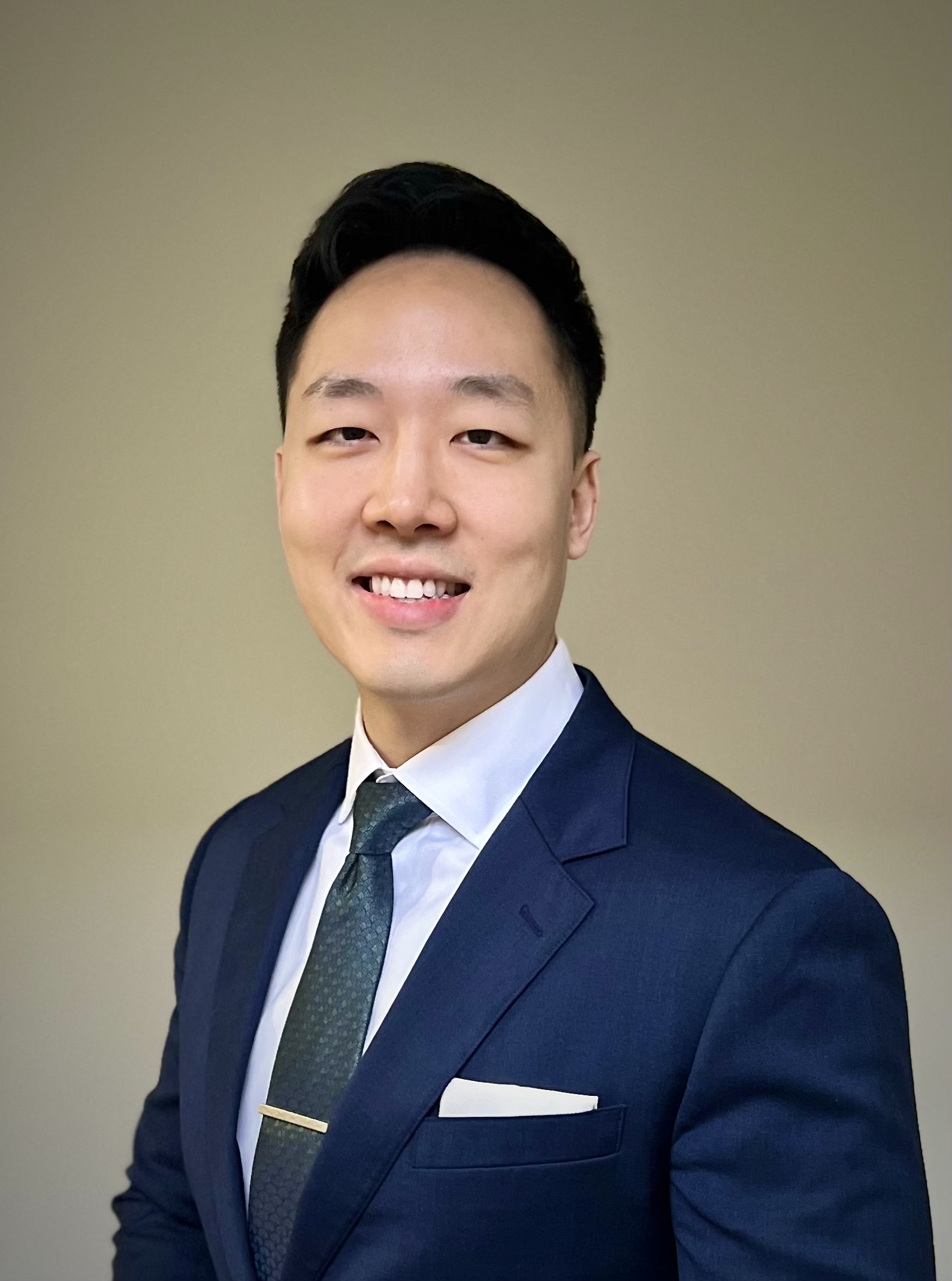
Dr. Sheen’s interest in facial aesthetics began long before medical school. While attending Boston College, he worked as a barber, where he developed an early appreciation for facial balance, proportion, and the trust involved when someone allows you to change how they look. That experience continues to influence the way he approaches rhinoplasty and facial surgery today.
He completed his residency training at UT Southwestern, with surgical experience at Parkland Memorial Hospital and the Dallas VA. His training included extensive exposure to complex head and neck anatomy, reconstructive surgery, facial trauma, and aesthetic procedures, creating a strong technical foundation in both function and form.
Dr. Sheen then completed advanced facial plastic surgery fellowship training at NYU under three internationally recognized facial plastic surgeons: Dr. David Rosenberg, Dr. Matthew White, and Dr. Philip Miller. Rhinoplasty was a major focus of his fellowship year, including cosmetic rhinoplasty, functional nasal surgery, preservation techniques, and revision surgery cases.
Training under multiple surgeons allowed Dr. Sheen to develop a broader and more individualized surgical perspective rather than inheriting a single technique or aesthetic philosophy. His current rhinoplasty approach reflects the most refined elements of that training while continuing to evolve through experience and ongoing study.
In addition to fellowship training, Dr. Sheen served as a clinical instructor at NYU, teaching residents in the operating room while performing rhinoplasty and facial rejuvenation procedures himself. He also contributed to academic research involving modern facial plastic surgery techniques.
His surgical philosophy remains centered on structural integrity, facial harmony, natural refinement, and individualized planning. The goal is not simply to reshape the nose, but to create a result that feels balanced, elegant, and fully aligned with the patient’s overall facial anatomy.
SHEEN
What Does a Good Cosmetic Rhinoplasty Result Look Like?
A good rhinoplasty result should look natural and harmonious within the context of the patient’s face.
The nose should not appear excessively reduced, over-rotated, pinched, or artificially sculpted. Facial character should remain intact. The result should feel elevated and refined while still looking believable in motion, expression, and everyday interaction.
When rhinoplasty procedures are done well, the overall face often appears more balanced without the observer immediately identifying why. Attention shifts more naturally toward the eyes, facial structure, and overall harmony rather than remaining fixed on the nose itself.
The result should hold structurally over time, maintain proper function, and continue to age naturally with the rest of the face.
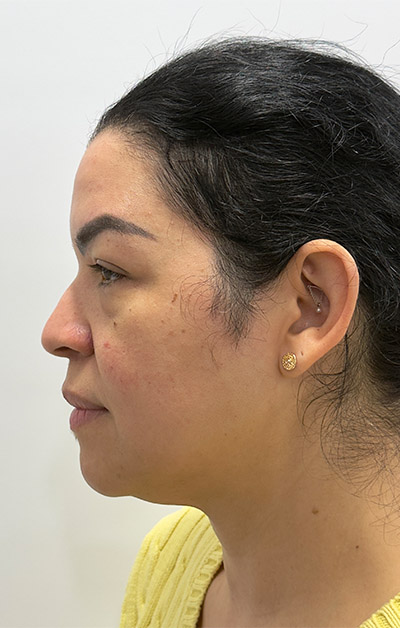
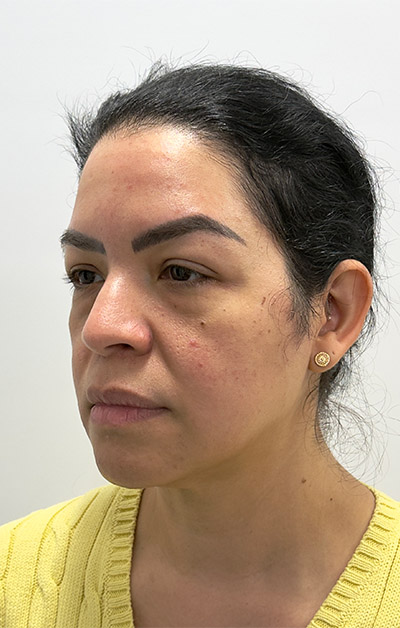
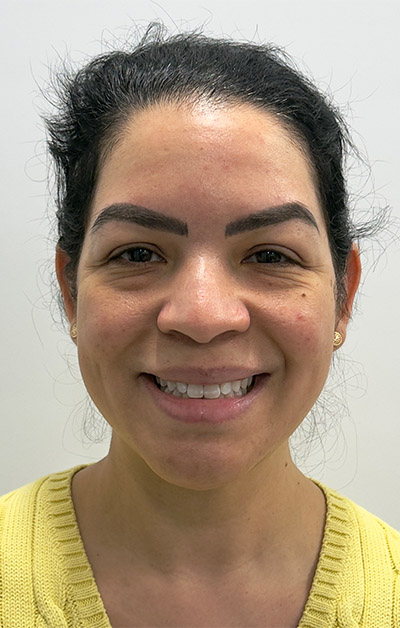
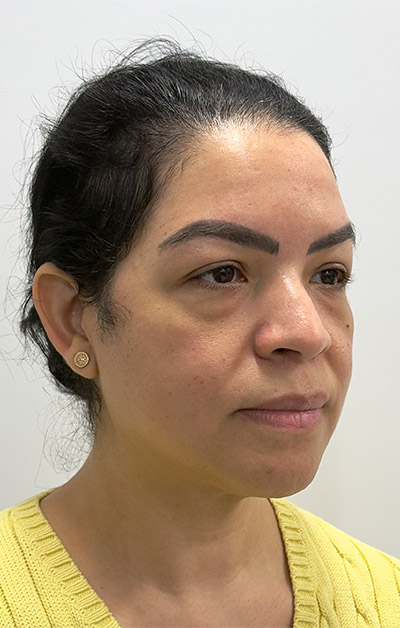
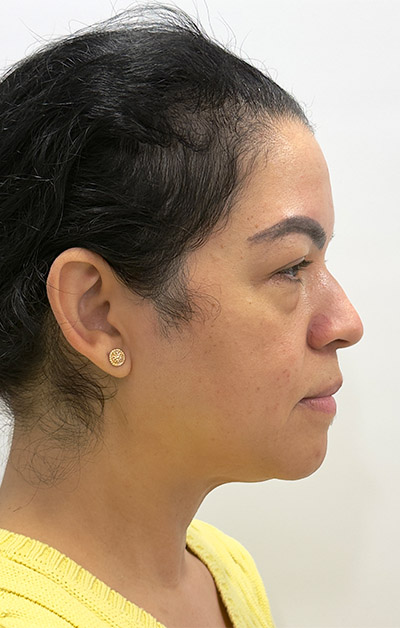
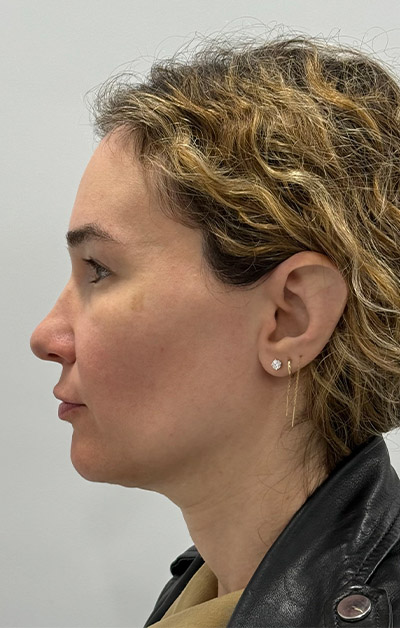
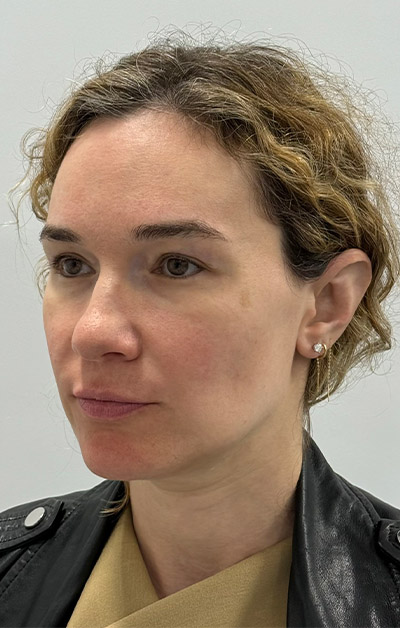
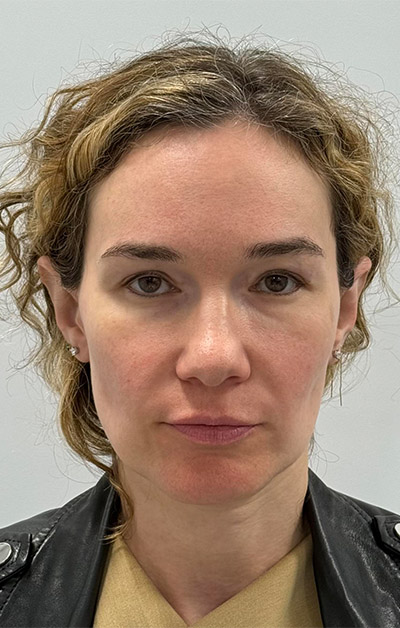
7 Weeks Post-Op
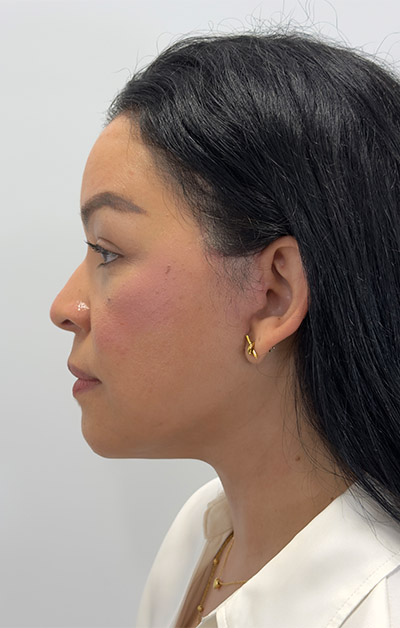
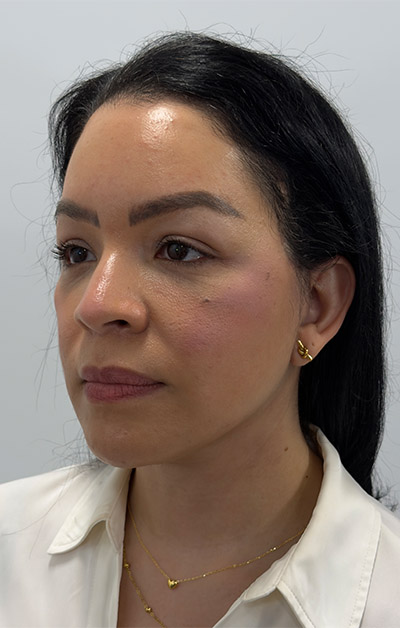
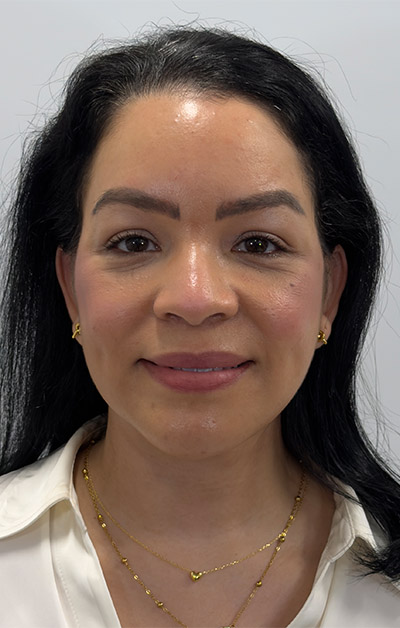
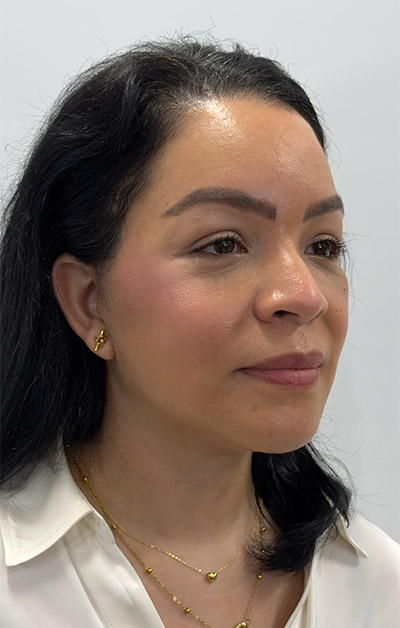
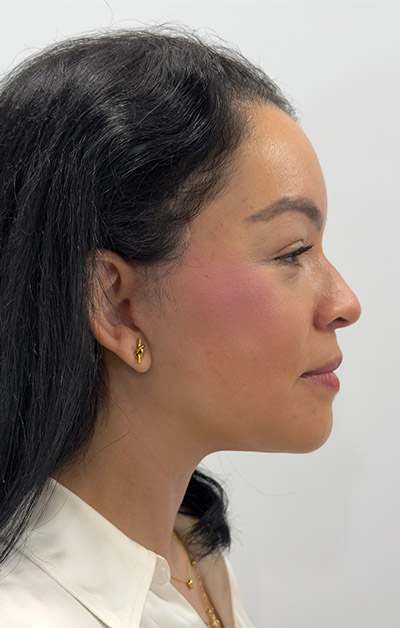
Rhinoplasty Recovery
Recovery after rhinoplasty procedures occurs in stages.
- During the first week, swelling, congestion, bruising around the eyes, and pressure through the nose are common. A splint is typically worn during this period.
- Most patients return to social activity or office-based work around 7 to 10 days after surgery once the splint is removed and bruising improves.
- Light walking is encouraged early in recovery, while more strenuous activity is usually resumed gradually over several weeks.
- Much of the visible swelling improves during the first several weeks, though refinement continues progressively afterward.
- The nasal tip, particularly in patients with thicker skin or revision procedures, may continue to refine subtly for many months and years.
- Final rhinoplasty results develop gradually as swelling fully resolves and the tissues settle into their long-term position.
Schedule a Rhinoplasty Consultation
Dr. Sheen sees rhinoplasty patients from Plano, Dallas, Frisco, Highland Park, the Park Cities, and across North Texas, as well as patients traveling for consultation. Patients are guided through the process in a calm, highly personalized environment designed to feel discreet, thorough, and unhurried.
To request a rhinoplasty consultation, call (972) 316-4555 or submit an inquiry online.
Rhinoplasty Plano, TX - FAQs
Am I a candidate for rhinoplasty?
You may be a candidate for a rhinoplasty procedure if you are bothered by the shape, size, symmetry, projection, or function of your nose and are looking for a lasting improvement. The best candidates are healthy patients with realistic expectations who want refinement that fits naturally with their overall facial structure. Dr. Sheen will review your medical history and evaluate your nasal anatomy and facial features to determine the most appropriate nasal surgery.
What concerns can rhinoplasty address?
Rhinoplasty can address a nose’s size and shape, dorsal hump, drooping tip, excessive projection, nasal asymmetry, nostril shape, tip width, deviation, and breathing obstruction. The surgical plan depends entirely on the patient’s anatomy and goals.
Will my nose still look like me after surgery?
Yes. The goal is not to create a different identity or the same “cookie cutter” nose. Dr. Sheen’s approach to rhinoplasty focuses on preserving facial character with an individualized plan, while improving proportion, structure, and balance.
Is rhinoplasty painful?
Rhinoplasty is performed under general anesthesia, so patients will not experience pain during the surgical procedure. Most patients describe rhinoplasty recovery as pressure and congestion rather than severe pain. Discomfort is generally well controlled with medication during the early recovery period.
How long does rhinoplasty swelling last?
Most of the swelling should improve in the first several weeks after rhinoplasty surgery, and subtle refinements should continue over time. Swelling at the tip may persist longer, especially in patients with thicker skin, sometimes fluctuating for one to two years. The final definition develops gradually over many months. This is a long-term investment and requires patience during the recovery process.
Can rhinoplasty improve breathing?
Yes. Functional concerns are commonly addressed during rhinoplasty surgery. Septal correction, structural grafting, and valve support techniques may improve airflow when appropriate.
What is the difference between cosmetic and functional rhinoplasty?
Cosmetic rhinoplasty procedures focus on appearance, while functional rhinoplasty surgery focuses on airflow and breathing. Most patients benefit from a surgical plan that considers both simultaneously.
Does Dr. Sheen perform revision rhinoplasty procedures?
Yes. However, revision rhinoplasty surgery, or secondary rhinoplasty, is often more challenging for any surgeon due to scar tissue, altered anatomy, and prior structural changes. Each revision rhinoplasty case requires careful evaluation to determine what improvements are realistically achievable after your initial surgery.
Will there be visible scars after rhinoplasty?
A closed rhinoplasty procedure leaves all incisions hidden inside the nose. Open rhinoplasty includes a small incision beneath the nose that typically heals very discreetly over time when properly performed.
At what age do patients usually consider rhinoplasty?
Patients may pursue nose surgery from their late teens all the way through adulthood. There is no single ideal age for surgery, as emotional maturity, facial development, anatomy, and goals matter more than a specific number.
Can rhinoplasty be combined with other facial procedures?
Yes. Cosmetic rhinoplasty is sometimes combined with surgical procedures such as chin augmentation, fat grafting, blepharoplasty, or other facial rejuvenation surgery such as the deep plane facelift, blepharoplasty, or brow lift, when it contributes to a more harmonious overall result.
How long do rhinoplasty results last?
Rhinoplasty procedures results are intended to be long-lasting. While the face continues to age naturally, structurally sound nose reshaping surgery results should remain stable and balanced for many years.
What is the difference between open and closed rhinoplasty?
Open rhinoplasty involves a small external incision made along the columella, the narrow strip of tissue between the nostrils, which allows Dr. Sheen greater visibility and access to the nasal structures. Closed rhinoplasty keeps all incisions hidden inside the nasal passages. The appropriate technique depends on the complexity of the nasal anatomy, the degree of correction needed, and whether structural grafting is required.
What is preservation rhinoplasty?
Preservation rhinoplasty is a modern surgical approach that prioritizes keeping the native nasal structures intact rather than removing or resecting tissue. By preserving the dorsum, ligaments, and soft tissue envelope, this technique can reduce swelling, support a more natural result, and lower the likelihood of revision rhinoplasty. Dr. Sheen will determine whether a preservation approach is appropriate based on your anatomy and goals.
What is a deviated septum, and can rhinoplasty correct it?
A deviated septum occurs when the cartilaginous wall dividing the nasal passages is off-center, which can restrict airflow and cause chronic congestion. Septoplasty, which corrects the septum, is often performed in conjunction with rhinoplasty when both functional and cosmetic concerns are present. Addressing a deviated septum during nose surgery allows Dr. Sheen to improve breathing and nasal appearance in a single procedure.
What is nasal tip rhinoplasty?
Nasal tip rhinoplasty focuses specifically on refining the shape, projection, rotation, and definition of the nasal tip without altering the bridge or other nasal structures. Nose reshaping surgery is a good option for patients whose primary concern is a bulbous, drooping, pinched, or asymmetric tip. Tip refinement can be performed using either an open or closed approach, depending on the degree of correction needed.
What is ethnic rhinoplasty?
Ethnic rhinoplasty refers to nose surgery performed with careful attention to preserving a patient’s ethnic identity and heritage while achieving their desired aesthetic refinements. Common goals include improving tip definition, dorsal height, nostril shape, or overall nasal proportion without erasing the facial characteristics that make each patient unique. Dr. Sheen takes a personalized approach that respects individual anatomy and cultural background.
Can rhinoplasty address a wide or flat nasal bridge?
Yes. Patients with a flat, wide, or under-projected nasal bridge may benefit from structural grafting techniques that add height and definition to the dorsum. Cartilage grafts, often harvested from the septum, ear, or from a cadaveric donor rib that has been processed and cleaned, can be used to build and support the bridge for a more balanced and defined nasal profile.
How is cartilage used in rhinoplasty surgery?
Cartilage grafting is a fundamental component of many rhinoplasty procedures, especially reconstructive surgery. Grafts can be used to refine the nasal tip, support the bridge, correct a deviated septum, reinforce the nasal valves, or restore structure in revision rhinoplasty cases. The septum is the preferred donor site, though mostly donor rib cartilage and rarely ear cartilage may be used when additional graft material is needed or when the septum has been previously altered.
What is the difference between rhinoplasty and a nonsurgical nose job?
A nonsurgical nose job, or liquid rhinoplasty, uses injectable dermal fillers to temporarily camouflage minor irregularities such as a small dorsal hump or mild asymmetry. While liquid rhinoplasty can offer a quick, short-term improvement with no downtime, it does not address structural concerns, improve breathing, or produce permanent results. Rhinoplasty surgery remains the only way to achieve lasting, precise changes to the shape, structure, and function of the nose.